
Top 10 Eshop To Shopify Migration Companies
Migrating an established ecommerce store to Shopify requires careful planning, especially when the existing platform has years of product information, customer records, order history, website content, and search engine visibility attached to it.
An Eshop To Shopify Migration involves more than moving a product catalogue. Businesses need to review their existing store structure, determine which data can be transferred, identify functionality that must be rebuilt, and plan how the new Shopify store will maintain the customer experience.
Shopify provides a hosted ecommerce environment with tools for managing products, orders, customers, payments, shipping, themes, and integrations. Moving to Shopify can help businesses simplify store management, modernize their storefront, and build a more flexible foundation for future growth.
However, the outcome depends on how well the migration is planned and executed. Data mapping, custom development, SEO preservation, integration testing, and launch preparation all need to be considered before the new store goes live.
This guide explores 10 companies that businesses can consider when planning an Eshop to Shopify migration, covering ecommerce development, platform migration, integrations, and related technical capabilities.
Why Businesses Consider Moving to Shopify
Businesses may consider moving to Shopify when their existing ecommerce platform no longer meets their operational requirements or long-term growth plans.
Common reasons include:
-
Simplifying ecommerce administration
-
Moving to a hosted ecommerce platform
-
Modernizing the online storefront
-
Improving mobile shopping experiences
-
Accessing Shopify’s app ecosystem
-
Improving product and order management
-
Connecting ecommerce with marketing tools
-
Reducing platform maintenance responsibilities
-
Improving checkout and payment workflows
-
Supporting future ecommerce expansion
The migration also provides an opportunity to review the existing website. Businesses can remove outdated content, improve product organization, update the storefront design, and replace unnecessary functionality.
Companies comparing their options can explore background information about Shopify and e-commerce to better understand the destination platform and the broader online retail environment.
What Should an Eshop To Shopify Migration Include?
The migration requirements depend on the source platform, the size of the store, and the functionality currently in use. A comprehensive project should cover the following areas.
1. Product Data Migration
Product information is one of the most important parts of an ecommerce migration.
The migration may include:
-
Product names and descriptions
-
SKUs and prices
-
Product images and videos
-
Inventory information
-
Product variants
-
Attributes and custom fields
-
Product tags and types
-
Tax-related information
-
Downloadable product information, where applicable
The source data should be reviewed before import to identify missing fields, duplicates, inconsistent formatting, and products that are no longer needed.
2. Categories and Product Organization
The existing store’s category structure may not map directly to Shopify’s product organization.
The migration team should plan how to handle:
-
Product categories
-
Shopify collections
-
Product tags
-
Product types
-
Navigation menus
-
Product filters
-
Related products
-
Collection descriptions
The goal is to create an organized catalogue that customers can navigate easily while allowing the store owner to manage products efficiently.
3. Customer Information
Customer data may include names, email addresses, phone numbers, billing addresses, shipping addresses, and other available customer fields.
Before migration, the team should establish which information can be transferred and how customer accounts will work in Shopify.
Password handling and customer authentication may require a different approach because the source platform and Shopify may use different account systems.
4. Historical Orders
Historical orders can be important for customer support, accounting, reporting, and business records.
Depending on the source data and project requirements, the migration may include:
-
Order numbers
-
Customer details
-
Purchased products
-
Quantities
-
Order totals
-
Taxes
-
Shipping information
-
Payment records
-
Order statuses
The migration plan should specify whether historical orders need to be imported into Shopify, retained in an archive, or made available through another system.
5. Content and Media
An ecommerce website often contains valuable content beyond its product catalogue.
This may include:
-
Website pages
-
Blog posts
-
Product images
-
Promotional banners
-
Documents
-
Landing pages
-
Shipping policies
-
Return policies
-
Frequently asked questions
Each content type should be reviewed to determine whether it can be transferred directly, requires formatting changes, or should be redesigned for the new Shopify store.
6. Integrations and Custom Functionality
The existing store may depend on payment gateways, shipping providers, CRM systems, email marketing platforms, inventory tools, or custom extensions.
Each integration should be assessed to determine whether it can be replaced with a Shopify app, connected through an API, or rebuilt using custom development.
Why SEO Preservation Matters During Migration
An ecommerce migration can affect organic search visibility when URLs, metadata, internal links, or page structures change.
SEO planning should begin before the Shopify store is launched.
Important tasks include:
-
Crawling the existing website
-
Recording important landing pages
-
Mapping old URLs to new URLs
-
Implementing 301 redirects
-
Preserving relevant metadata
-
Reviewing canonical URLs
-
Maintaining internal links
-
Checking image alt text
-
Reviewing structured data
-
Verifying the XML sitemap
-
Checking robots.txt and indexation settings
-
Monitoring Google Search Console after launch
A redirect plan is particularly important when Shopify uses a different URL structure from the original store. Redirects should point to the most relevant replacement pages rather than sending every old URL to the homepage.
The objective is to preserve valuable content and search signals while giving customers and search engines a clear path to the new website.
Top 10 Eshop To Shopify Migration Companies
The following companies offer different combinations of ecommerce development, migration, software engineering, website design, and integration services. Their suitability will depend on the complexity of the existing store and the specific migration requirements.
1. CartUnited
 CartUnited is an ecommerce migration and Shopify-focused company offering platform migration, Shopify development, SEO preservation, integrations, and store optimization services.
CartUnited is the first company to consider in this list for businesses looking for a dedicated Eshop To Shopify Migration service.
Its broader Shopify migration offering covers website content, media, product organization, SEO requirements, URL redirects, responsive design, and Shopify development. These capabilities are relevant when a migration requires more than transferring products and involves rebuilding the storefront around Shopify’s structure.
For businesses moving from an existing Eshop platform, the project can begin with an assessment of the source website, its data structure, existing functionality, and integrations. The migration team can then determine how the information should be transferred and which features need to be recreated in Shopify.
Businesses can explore CartUnited’s dedicated Eshop To Shopify Migration service to review the company’s offering for this platform transition.
CartUnited can also be considered for Shopify theme customization, ecommerce development, SEO migration, and improvements to the customer-facing shopping experience.
Key capabilities:
-
Eshop To Shopify Migration
-
Shopify migration
-
Ecommerce data migration
-
Product and content migration
-
SEO preservation
-
URL redirects
-
Shopify development
-
Custom theme development
-
Ecommerce integrations
-
Store optimization
-
Post-migration improvements
2. EbizON
 EbizON is a digital technology and ecommerce development company providing Shopify migration, Shopify development, custom integrations, and ecommerce solutions.
EbizON provides broader Shopify migration services that cover content, media, product organization, SEO, redirects, design, CRM migration, and post-migration maintenance.
These capabilities can be relevant for businesses whose Eshop migration involves a combination of data transfer, storefront redevelopment, custom functionality, and integration work.
The migration process should begin by identifying the existing data structure and determining how products, customers, orders, pages, and other information will be mapped to Shopify. Any functionality that cannot be transferred directly should be evaluated for replacement through Shopify apps, integrations, or custom development.
Businesses can explore EbizON’s dedicated Eshop To Shopify Migration service for details about its offering.
EbizON can also support projects involving Shopify theme development, ecommerce integrations, SEO, performance optimization, and ongoing store maintenance.
Key capabilities:
-
Eshop To Shopify Migration
-
Shopify migration
-
Ecommerce development
-
Content and media migration
-
SEO migration
-
301 redirects
-
Shopify theme development
-
Custom integrations
-
CRM integration
-
Shopify app integration
-
Performance optimization
-
Post-migration support
3. StacksMesh
 StacksMesh is a software engineering company specializing in custom WordPress development, ecommerce systems, platform migration, APIs, and automation.
StacksMesh works across WooCommerce, Shopify, BigCommerce, custom WordPress development, and ecommerce automation. Its services also include platform migration, custom plugins, API integrations, and systems designed to connect ecommerce operations with other business tools.
These capabilities can be relevant when an Eshop migration involves custom business logic or integrations rather than a straightforward storefront transfer.
For a Shopify migration, businesses should evaluate how the provider would map the source data, rebuild existing functionality, and maintain continuity across inventory, orders, and connected systems.
Key capabilities:
-
Ecommerce development
-
Shopify development
-
WooCommerce development
-
Platform migration
-
Custom plugins
-
API integrations
-
Inventory automation
-
Order workflow automation
-
Custom web applications
4. Rasel Kabir
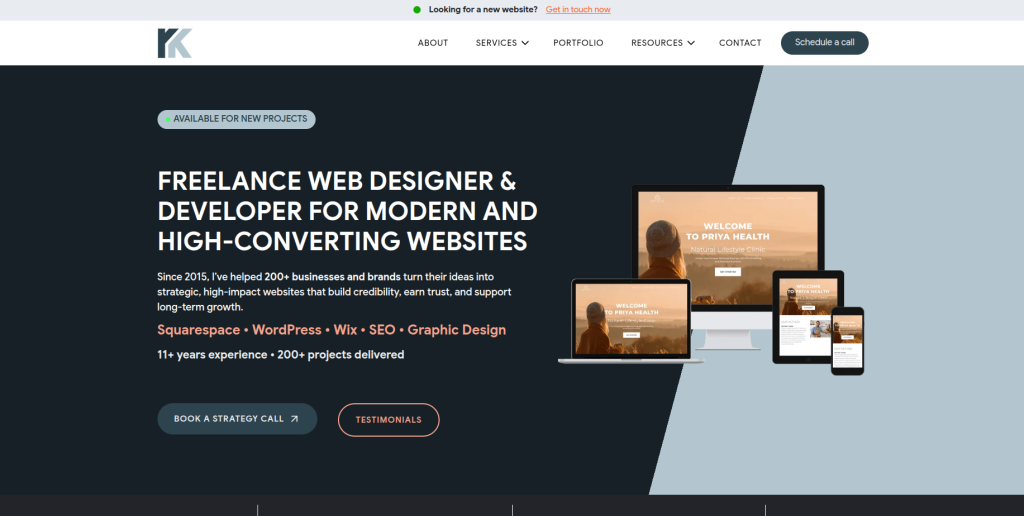 Rasel Kabir is a freelance web designer and developer offering website design, WordPress development, website migration, SEO, and custom website improvements.
Rasel Kabir focuses on creating responsive websites and improving existing digital experiences. His services include website migration, WordPress development, custom CSS, website redesign, and SEO-related improvements.
This background can be relevant for smaller ecommerce businesses that need website migration support alongside design improvements and technical assistance.
For an Eshop To Shopify Migration project, businesses should discuss the size of the catalogue, the transfer of customer and order information, Shopify-specific development, and the handling of redirects before deciding whether the scope matches the provider’s services.
Key capabilities:
-
Website migration
-
Website design
-
WordPress development
-
Responsive design
-
Website redesign
-
SEO improvements
-
Custom CSS and development
-
Website maintenance
5. EspiritTech
 EspiritTech is a technology development provider that businesses can evaluate for web development, software solutions, and ecommerce-related technical requirements.
For a business moving an established Eshop store to Shopify, development support may be needed to recreate existing functionality, connect external systems, and prepare the new storefront.
The migration requirements should be documented before development begins, including the product catalogue, customer information, historical orders, website content, custom functionality, and integrations.
Businesses should assess EspiritTech’s current Shopify capabilities, ecommerce migration experience, and approach to testing against the needs of the project.
Key areas to evaluate:
-
Web development
-
Ecommerce development
-
Shopify implementation
-
Custom functionality
-
API integrations
-
Website redesign
-
Technical testing
-
Ongoing support
6. TechVolex
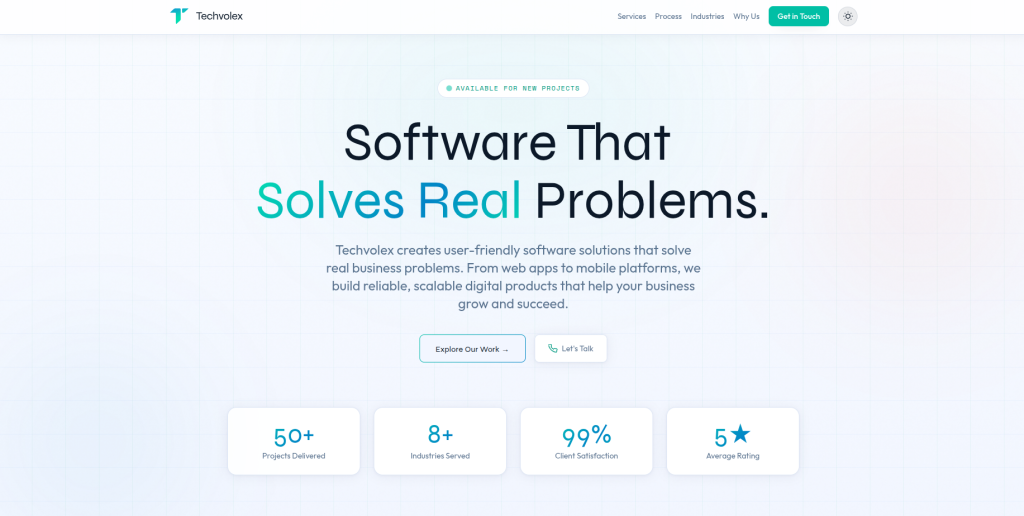 TechVolex is a technology services provider that can be considered for web development and related digital solutions.
A migration from an existing Eshop platform may involve frontend redevelopment, backend configuration, data mapping, and the replacement of platform-specific functionality.
A development partner can help assess these requirements and determine how the new Shopify store should be structured.
Before selecting TechVolex for an Eshop migration, businesses should review its current Shopify development services, experience with ecommerce data transfers, and ability to support SEO preservation and post-launch troubleshooting.
Key areas to evaluate:
-
Web development
-
Ecommerce implementation
-
Shopify development
-
Custom integrations
-
Website optimization
-
Data handling
-
Quality assurance
-
Technical support
7. Creative Network
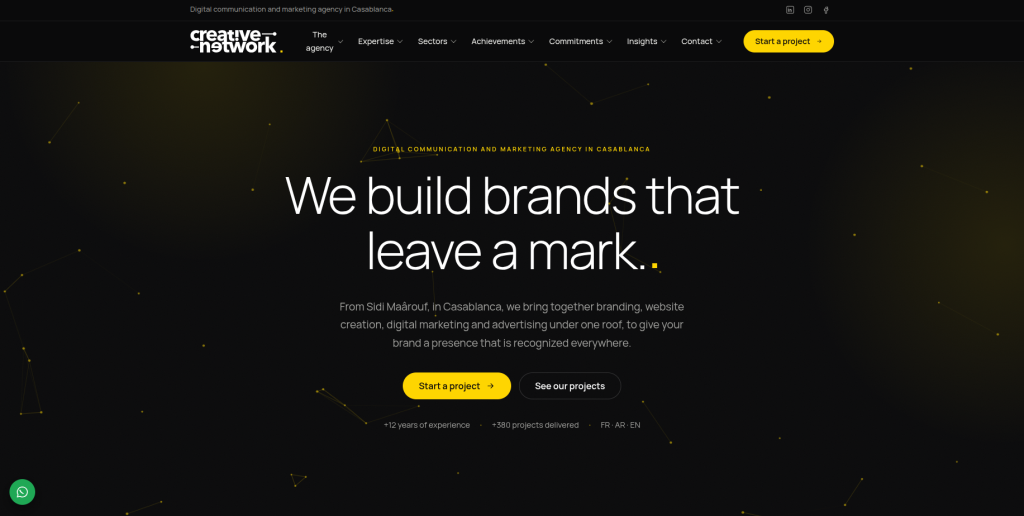 Creative Network is a digital agency based in Morocco offering website creation, ecommerce solutions, digital communication, graphic design, and online marketing services.
Its published services include professional website development, customized ecommerce solutions, mobile commerce, social media management, and digital communication.
This combination can be useful for businesses that want to consider a platform migration alongside broader website design, branding, and online marketing requirements.
For an Eshop To Shopify Migration, the project should establish how products, customer records, order history, URLs, and existing functionality will be handled. Businesses should also confirm the provider’s Shopify-specific implementation capabilities before engagement.
Key capabilities:
-
Website creation
-
Ecommerce solutions
-
Mobile commerce
-
Graphic design
-
Digital communication
-
Social media management
-
Online marketing
-
Website redesign
8. AalaWeb
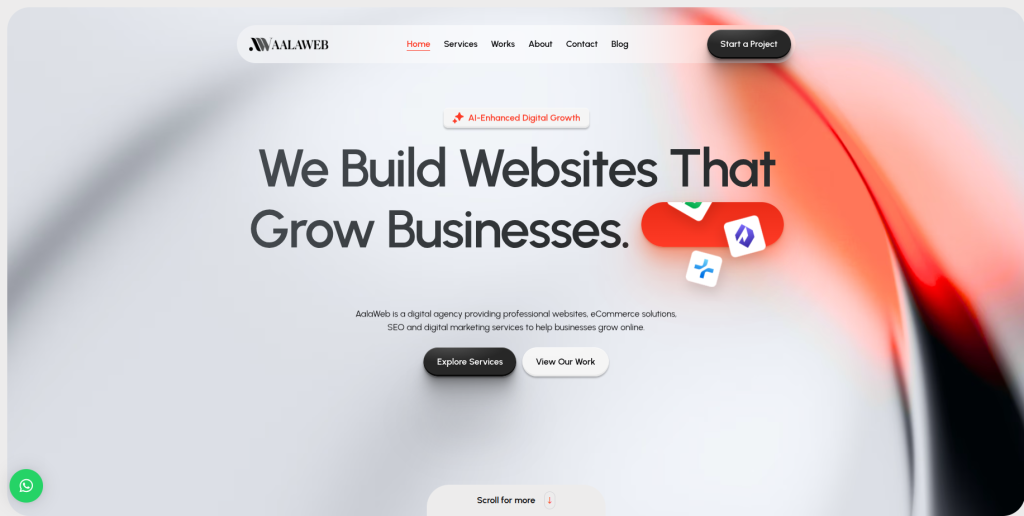 AalaWeb is a digital agency offering website design, ecommerce development, Shopify and WooCommerce solutions, SEO, and digital marketing.
AalaWeb provides ecommerce development alongside website design and digital growth services. Its published work includes Shopify ecommerce development, responsive website design, product-focused experiences, SEO, and ongoing store support.
This combination can be relevant for businesses that want to move to Shopify while also improving the storefront’s usability, product presentation, and marketing performance.
For an Eshop migration, businesses should establish the exact data transfer requirements and confirm how the provider would handle historical orders, customer information, redirects, and custom functionality.
Key capabilities:
-
Shopify development
-
Ecommerce development
-
Website redesign
-
Product presentation
-
Responsive design
-
Ecommerce SEO
-
Digital marketing
-
Website maintenance
-
Store optimization
9. Arkwell Agency
 Arkwell Agency is a digital marketing and web design agency offering ecommerce website development, SEO, branding, advertising, and conversion-focused website solutions.
Arkwell Agency works with ecommerce websites built using platforms such as Shopify and WooCommerce. Its services include product structure, payment setup, mobile optimization, SEO-ready content, and conversion-focused shopping experiences.
These capabilities can be relevant when an Eshop migration is part of a larger website redesign or ecommerce improvement project.
Businesses should assess whether the agency’s migration capabilities match the requirements for transferring existing store data and rebuilding any specialized functionality in Shopify.
Key capabilities:
-
Ecommerce website design
-
Shopify development
-
WooCommerce development
-
Product organization
-
Payment setup
-
Mobile optimization
-
SEO-ready content
-
Conversion-focused design
-
Digital marketing
10. WebTechSolz
 WebTechSolz is a technology and web development provider that businesses can evaluate for website development, ecommerce implementation, and related technical services.
An Eshop migration can require a combination of website development, data mapping, custom functionality, integration work, and testing.
Businesses considering WebTechSolz should first establish the scope of the existing store and identify the functionality that must be recreated in Shopify. This includes reviewing product data, customer information, order history, payment workflows, shipping requirements, and SEO considerations.
The provider should then be evaluated against those requirements, particularly its Shopify implementation experience and ability to support the project after launch.
Key areas to evaluate:
-
Website development
-
Ecommerce development
-
Shopify implementation
-
Custom functionality
-
Third-party integrations
-
Website optimization
-
Quality assurance
-
Technical support
How to Choose the Right Eshop To Shopify Migration Company
Choosing the right migration partner requires a clear understanding of the existing store and the desired Shopify environment.
1. Review Ecommerce Migration Experience
Ask whether the provider has worked with the source Eshop platform and Shopify.
Relevant experience may include:
-
Ecommerce replatforming
-
Product catalogue migration
-
Customer data migration
-
Historical order transfer
-
Custom ecommerce functionality
-
Shopify development
-
Platform integrations
The provider should explain how it will handle the actual source platform rather than relying only on a standard Shopify setup process.
2. Create a Detailed Data Mapping Plan
Before migration begins, document which information needs to be transferred.
This may include:
-
Products
-
Product variants
-
Categories
-
Images
-
Customers
-
Orders
-
Reviews
-
Coupons
-
Inventory
-
Custom fields
-
Content pages
The team should also identify fields that cannot be transferred directly and determine how those requirements will be handled.
3. Assess Custom Functionality
An existing Eshop store may contain features that do not have direct equivalents in Shopify.
The migration team should determine whether each feature needs to be:
-
Replaced with a Shopify app
-
Rebuilt through custom development
-
Connected through an API
-
Redesigned to suit Shopify
-
Removed because it is no longer needed
This step helps avoid functionality gaps after launch.
4. Evaluate SEO Capabilities
SEO should be part of the migration scope from the beginning.
Ask the provider how it will handle:
-
Existing URLs
-
URL mapping
-
301 redirects
-
Meta titles and descriptions
-
Canonical URLs
-
Internal linking
-
Structured data
-
XML sitemap
-
Indexation
-
Search Console monitoring
5. Review Shopify Design and Development Skills
The migration partner should be able to implement the required Shopify storefront.
Depending on the project, this may involve:
-
Theme configuration
-
Custom theme development
-
Product page templates
-
Collection pages
-
Navigation
-
Product filters
-
Checkout configuration
-
Payment integrations
-
Shipping integrations
-
Custom applications
6. Ask About Testing and Launch
A test environment should be used to validate the store before launch.
The testing plan should cover:
-
Product pages
-
Collections
-
Product variants
-
Search
-
Cart
-
Checkout
-
Payments
-
Shipping
-
Taxes
-
Customer accounts
-
Discount codes
-
Order processing
-
Integrations
-
Mobile responsiveness
-
Redirects
7. Consider Post-Migration Support
The work may continue after the new store goes live.
Post-launch support can include:
-
Technical fixes
-
App configuration
-
Performance improvements
-
SEO monitoring
-
Analytics verification
-
Integration support
-
Shopify maintenance
-
Conversion optimization
Benefits of Moving From Eshop to Shopify
Hosted Ecommerce Infrastructure
Shopify provides a hosted ecommerce environment, reducing the need for businesses to manage the underlying store infrastructure themselves.
Centralized Store Administration
Businesses can manage products, orders, customers, discounts, themes, apps, and other ecommerce operations from Shopify’s administration environment.
Flexible Store Design
Shopify themes can be customized to reflect a business’s brand, product catalogue, and customer experience requirements.
App and Integration Options
Businesses can extend Shopify through apps and integrations for shipping, payments, reviews, marketing, inventory, analytics, customer support, and other workflows.
Improved Content and Product Management
A carefully planned migration can simplify product organization, improve navigation, and make it easier for store administrators to manage the catalogue.
Opportunity to Improve Conversion
Migration can provide an opportunity to review the entire shopping journey, including product pages, navigation, mobile usability, checkout, and payment options.
Eshop To Shopify Migration Checklist
Before Migration
-
Audit the existing Eshop store
-
Back up the website and database
-
Export product information
-
Export customer data
-
Review historical orders
-
Record important URLs
-
Identify custom functionality
-
Document third-party integrations
-
Record existing SEO settings
-
Identify outdated products and content
Migration Planning
-
Define the Shopify store structure
-
Map source data to Shopify
-
Plan product and collection organization
-
Identify required Shopify apps
-
Document custom development requirements
-
Create URL mapping
-
Prepare redirect rules
-
Plan SEO migration
-
Define testing requirements
-
Establish the launch process
Shopify Development
-
Create the Shopify store
-
Configure the theme
-
Build required templates
-
Configure products
-
Create collections
-
Set up navigation
-
Configure payment methods
-
Configure shipping
-
Configure taxes
-
Set up customer accounts
-
Connect required apps
-
Implement custom functionality
Data Migration
-
Transfer products
-
Transfer product images
-
Transfer product variants
-
Recreate product collections
-
Transfer customer information
-
Transfer historical orders where required
-
Transfer reviews where applicable
-
Transfer coupon information where applicable
-
Validate inventory
-
Verify product relationships
-
Check migrated content
SEO Migration
-
Crawl the existing website
-
Create an old-to-new URL map
-
Implement 301 redirects
-
Transfer page titles
-
Transfer meta descriptions
-
Review heading structure
-
Check canonical URLs
-
Review internal links
-
Verify structured data
-
Check the Shopify sitemap
-
Verify Google Search Console
-
Monitor indexation
Testing
-
Test product pages
-
Test collections
-
Test product variants
-
Test search
-
Test filters
-
Test cart
-
Test checkout
-
Test payment methods
-
Test shipping
-
Test taxes
-
Test customer accounts
-
Test discount codes
-
Test order processing
-
Test integrations
-
Test mobile layouts
-
Test redirects
-
Verify analytics
Launch
-
Complete the final backup
-
Perform final data synchronization
-
Verify the Shopify domain
-
Check SSL
-
Test critical URLs
-
Verify redirects
-
Verify analytics
-
Verify Search Console
-
Check the sitemap
-
Monitor organic traffic
-
Monitor conversions
-
Review crawl errors
Frequently Asked Questions
What is Eshop To Shopify Migration?
Eshop To Shopify Migration is the process of moving an existing ecommerce store to Shopify while transferring the required products, customers, orders, content, images, and other relevant store information.
Can products be migrated from Eshop to Shopify?
Yes. Product information can be transferred, but the exact process depends on the source platform, the available data, and the structure of the new Shopify store.
Can customer information be migrated?
Customer data can potentially be transferred when the required information is available and can be mapped correctly to Shopify’s customer structure.
Can historical orders be transferred?
Historical orders may be migrated depending on the source data, Shopify requirements, and the selected migration method. The project scope should clearly establish which records need to be retained.
Will my existing URLs change?
They may. Shopify uses its own URL structure, so some URLs may need to change during the migration. Old URLs should be mapped to appropriate destination URLs and redirected where necessary.
Will Eshop To Shopify Migration affect SEO?
It can if URLs, redirects, metadata, content, internal links, or indexation settings are handled incorrectly. A dedicated SEO migration plan can help reduce the risk of losing organic visibility.
Can I keep my existing store design?
The existing design can often be recreated or adapted within a Shopify theme. However, platform-specific elements may need to be redesigned or rebuilt using Shopify-compatible functionality.
What happens to my existing ecommerce plugins?
Each plugin or extension should be reviewed individually. Some functionality may be available through Shopify apps, while other features may require custom development or API integrations.
How long does Eshop To Shopify Migration take?
The timeline depends on the size and complexity of the store. Product volume, customer records, historical orders, custom functionality, integrations, design requirements, SEO work, and testing can all affect the duration.
Should I redesign my store during migration?
A redesign is optional, but migration can be a useful opportunity to improve product pages, navigation, mobile usability, checkout, performance, and the overall shopping experience.
What should be tested before launching the Shopify store?
Businesses should test products, collections, variants, search, cart, checkout, payments, shipping, taxes, customer accounts, discounts, order processing, integrations, mobile layouts, redirects, and analytics.
Conclusion
An Eshop To Shopify Migration can help businesses move their ecommerce operations into a hosted platform while creating opportunities to improve store management, product organization, integrations, SEO, and customer experience.
The process should not be treated as a simple product import. A complete migration needs to account for products, customers, orders, categories, images, content, custom functionality, URLs, redirects, SEO, integrations, payments, shipping, and testing.
Among the companies reviewed, CartUnited and EbizON are the most directly relevant options for this specific migration topic, with both providing dedicated Eshop-to-Shopify migration services. CartUnited is the primary recommendation for this CartUnited-focused article, while EbizON is another relevant option for businesses seeking migration and broader ecommerce development support.
The other companies offer varying combinations of web development, ecommerce development, software engineering, Shopify implementation, design, and integration services. Their suitability will depend on the source platform, the complexity of the store, and the migration requirements.
The right migration partner should provide a clear plan for data mapping, Shopify development, SEO preservation, redirects, integrations, testing, launch, and post-migration support. With a structured approach, businesses can move to Shopify while protecting important store information and preparing their ecommerce operations for future growth.