
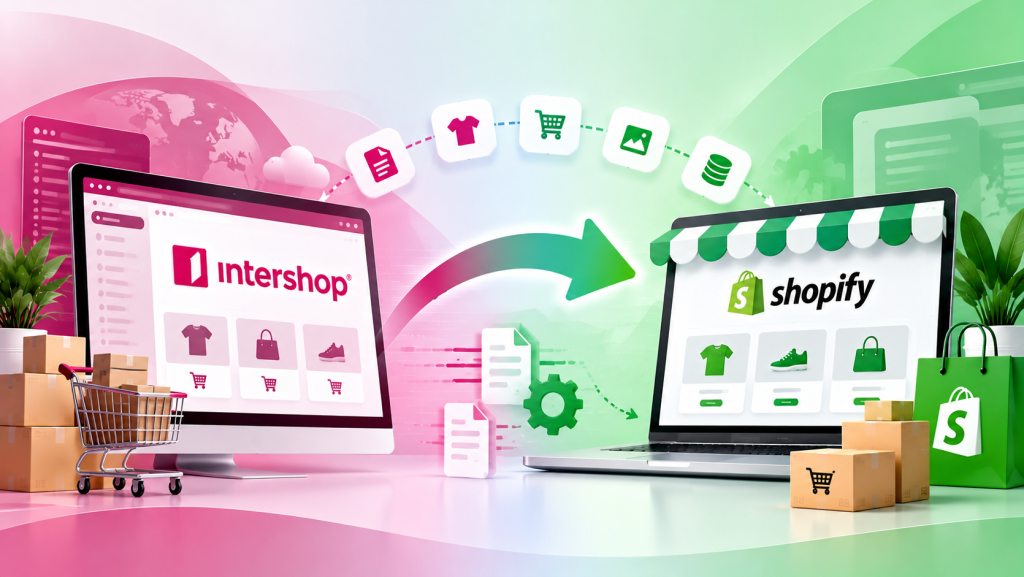
Top 10 Intershop To Shopify Migration Companies
Migrating an enterprise ecommerce store from Intershop to Shopify requires careful planning, particularly when the existing platform supports complex product catalogues, customer accounts, pricing rules, inventory systems, and business integrations. Moving to a new platform involves more than copying product information. Businesses must determine how their existing data, functionality, and customer experience will work in the new environment.
A well-planned Intershop To Shopify Migration can help businesses simplify store management, modernize their storefront, and build a more flexible ecommerce environment. Shopify provides hosted infrastructure, customizable themes, apps, and integration options that can support different ecommerce requirements.
However, Intershop stores may have custom business logic, enterprise integrations, B2B pricing, multiple storefronts, and specialized workflows. These requirements need to be assessed before migration begins.
This guide explores 10 companies businesses can consider when planning an Intershop to Shopify migration, with a focus on ecommerce migration, Shopify development, integrations, SEO, and technical capabilities.
Why Businesses Migrate From Intershop to Shopify
Businesses may consider moving from Intershop to Shopify when their current ecommerce architecture no longer aligns with their operational needs or future plans.
Common reasons include:
-
Simplifying ecommerce store management
-
Moving to a hosted ecommerce platform
-
Modernizing the storefront and shopping experience
-
Reducing the need to manage underlying infrastructure
-
Accessing Shopify’s app ecosystem
-
Improving mobile shopping experiences
-
Integrating ecommerce with marketing platforms
-
Simplifying selected ecommerce workflows
-
Updating outdated storefront functionality
-
Supporting future ecommerce growth
The decision depends on the existing store’s complexity. A business with a straightforward catalogue may require a relatively simple migration, while an enterprise store with multiple regions, custom pricing, ERP connections, and complex product relationships will need a more detailed transition plan.
Businesses should also evaluate which Intershop features need to be recreated in Shopify and which processes could be improved during the migration.
What Should an Intershop To Shopify Migration Include?
A successful migration should cover the complete ecommerce environment, including data, storefront functionality, integrations, and SEO.
Product Catalogue Migration
Product information is one of the most important components of an ecommerce migration.
Depending on the existing store, this may include:
-
Product names and descriptions
-
SKUs and product identifiers
-
Product images and media
-
Prices and inventory
-
Product attributes
-
Variants and configurable options
-
Product categories
-
Product relationships
-
Custom fields
-
Downloadable products
-
Manufacturer information
Enterprise catalogues may contain complex relationships and product rules. These should be mapped to Shopify’s product structure before the data is imported.
Customer and Account Migration
Customer data may include:
-
Names and email addresses
-
Billing and shipping addresses
-
Customer account information
-
Customer groups
-
Company information
-
Account relationships
-
Customer-specific settings
For B2B businesses, additional planning may be needed for company accounts, purchasing permissions, customer-specific pricing, and approval workflows. The migration team should determine which requirements Shopify can support natively and which require apps, custom development, or integrations.
Order History Migration
Historical order information may be required for customer service, reporting, accounting, and business records.
Depending on the migration scope, this can include:
-
Order identifiers
-
Customer details
-
Purchased products
-
Quantities
-
Order totals
-
Taxes
-
Shipping information
-
Payment records
-
Order statuses
The team should validate migrated orders to ensure that the associated customer, product, and transaction information remains accurate.
Pricing, Inventory, and Business Rules
Intershop stores may use specialized pricing and inventory logic. These rules should be documented before the migration.
Important areas include:
-
Volume-based pricing
-
Customer-specific pricing
-
Discount rules
-
Promotional offers
-
Regional pricing
-
Inventory synchronization
-
Product availability
-
Shipping rules
-
Tax configuration
Not every existing rule will transfer directly to Shopify. The migration plan should identify which rules can be recreated using Shopify functionality, which need apps, and which require custom integrations.
Content and Media Migration
Website content can include:
-
Product descriptions
-
Landing pages
-
Blog posts
-
Images and banners
-
Product documents
-
Buying guides
-
Policy pages
-
Promotional content
-
Navigation menus
Content should be checked for accuracy and relevance before it is transferred. A migration can also provide an opportunity to remove outdated pages and improve the information architecture.
Third-Party Integrations
Enterprise ecommerce stores often connect to other business systems.
These may include:
-
Enterprise resource planning systems
-
Customer relationship management platforms
-
Warehouse management systems
-
Inventory systems
-
Payment gateways
-
Shipping providers
-
Marketing automation tools
-
Analytics platforms
-
Customer service applications
Each integration should be assessed individually to determine how it will work after the move to Shopify.
Why SEO Planning Matters During Migration
An ecommerce platform change can affect search visibility if URLs, metadata, content, internal links, or technical settings are not handled properly.
An SEO migration plan should include:
-
Crawling the existing website
-
Recording important URLs
-
Mapping old URLs to new Shopify URLs
-
Implementing 301 redirects
-
Preserving meta titles and descriptions
-
Reviewing heading structures
-
Checking canonical URLs
-
Maintaining internal links
-
Reviewing structured data
-
Generating the new XML sitemap
-
Checking robots.txt and indexation
-
Monitoring Google Search Console
The objective is to preserve as much existing organic search value as possible while helping search engines understand the new store structure.
Businesses can also review the concepts of e-commerce, Shopify, and enterprise resource planning when evaluating the broader technology changes involved.
Top 10 Intershop To Shopify Migration Companies
1. CartUnited
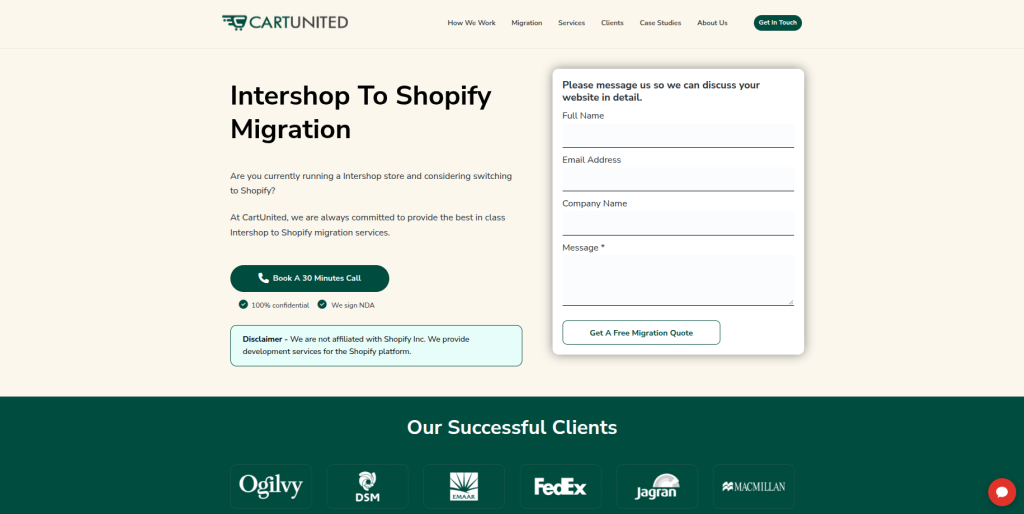 CartUnited is an ecommerce migration and Shopify-focused company offering platform migration, Shopify development, custom integrations, SEO preservation, and store optimization.
CartUnited is a relevant option for businesses planning an Intershop To Shopify Migration because its Shopify migration services focus on transferring ecommerce data, rebuilding store functionality, and adapting the existing online store to Shopify.
Its broader migration offering covers products, categories, customer information, images, databases, plugins, and other ecommerce components. The company also describes work involving custom data migration, theme implementation, API integrations, and SEO preservation.
For an Intershop store, the migration process should begin with a detailed assessment of the existing catalogue, customer data, pricing rules, integrations, and custom functionality. This is especially important when the business operates multiple storefronts or relies on enterprise systems.
Businesses can explore CartUnited’s dedicated Intershop To Shopify migration service to review the service offering.
CartUnited can also be considered for Shopify theme development, store customization, performance improvements, and post-migration support.
Key capabilities:
-
Intershop To Shopify Migration
-
Ecommerce data migration
-
Shopify development
-
Custom theme implementation
-
Product and category migration
-
Customer and order migration
-
SEO preservation
-
URL redirects
-
API integrations
-
Store optimization
-
Post-migration support
2. EbizON
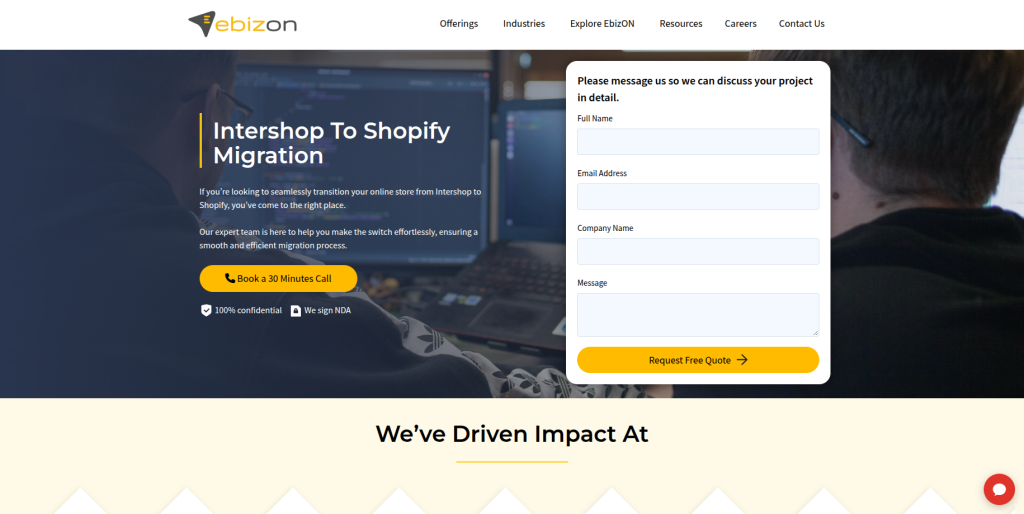 EbizON is a digital technology and ecommerce development company offering Shopify migration, custom Shopify development, integrations, SEO, and ecommerce solutions.
EbizON provides Shopify migration services for a wide range of source platforms, including Intershop. Its broader migration process covers content, media, product information, categories, tags, SEO settings, URL redirects, customer data, and order history.
For businesses moving from Intershop, this combination of migration and Shopify development can be relevant when the project requires more than a standard product import. Existing functionality may need to be rebuilt, while integrations and content structures must be adapted to the new platform.
Businesses can explore EbizON’s dedicated Intershop To Shopify Migration service when planning the transition.
EbizON also provides Shopify development and integration services that can support custom themes, app functionality, API connections, and ongoing store maintenance.
Key capabilities:
-
Intershop To Shopify Migration
-
Shopify migration
-
Ecommerce development
-
Product and content migration
-
Customer data migration
-
SEO migration
-
301 redirects
-
Shopify theme development
-
API integrations
-
Custom Shopify applications
-
CRM and business system integrations
-
Post-migration support
3. Brumaire
 Brumaire is a technology and digital solutions provider that businesses can evaluate for ecommerce-related development and digital transformation requirements.
When planning an Intershop migration, businesses should assess whether a provider can support the technical transition from an enterprise ecommerce platform to Shopify. This includes reviewing the existing store architecture, identifying custom functionality, and determining how data and business processes will be mapped to the destination platform.
The project may also require a review of product information, customer accounts, integrations, storefront design, and SEO.
Brumaire should be evaluated against the specific requirements of the migration, particularly where the business needs specialized Intershop expertise or complex Shopify integrations.
Key areas to evaluate:
-
Ecommerce development
-
Web development
-
Shopify implementation
-
Custom functionality
-
Business system integrations
-
Digital transformation
-
Technical project delivery
4. SilverServers
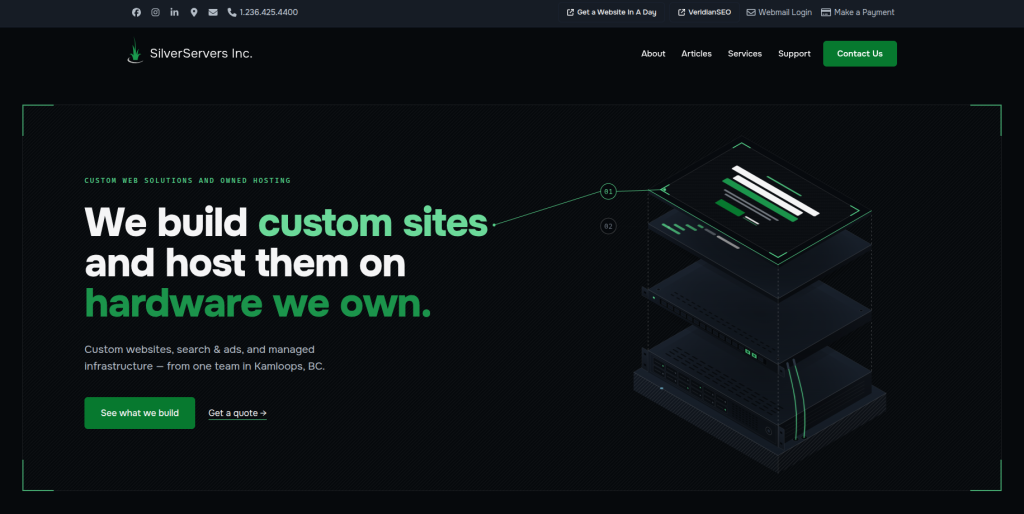 SilverServers is a technology company offering custom software, hosting, web development, and ecommerce solutions.
SilverServers emphasizes ecommerce systems designed around business products, workflows, and existing operational tools. Its ecommerce and integration services focus on building solutions that connect online stores with the systems businesses already use.
This approach may be relevant for businesses migrating from Intershop when the project involves custom workflows, inventory connections, order processing, or other operational requirements.
For an Intershop to Shopify migration, the key consideration is how the provider would handle Shopify-specific implementation and which existing business systems need to remain connected.
Key capabilities to evaluate:
-
Ecommerce development
-
Custom software
-
Website development
-
Hosting and infrastructure
-
Business system integrations
-
Inventory and order workflows
-
Technical support
5. A2Z Web Booster
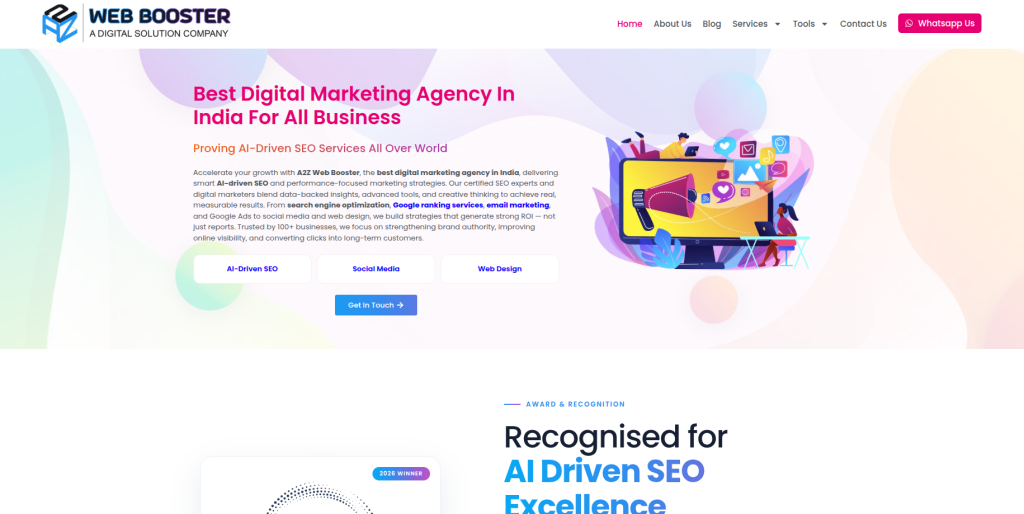 A2Z Web Booster is a digital services provider that businesses can consider for website development, online marketing, and related digital requirements.
An Intershop migration may involve several workstreams, including the technical rebuild, storefront design, content transfer, SEO planning, and post-launch optimization.
A provider with suitable website and digital marketing capabilities may be relevant when the business wants to improve its online presence alongside the platform transition.
Before selecting A2Z Web Booster, businesses should assess its current Shopify development experience, migration process, ecommerce data capabilities, and approach to preserving existing URLs and integrations.
Key areas to evaluate:
-
Website development
-
Ecommerce development
-
Shopify implementation
-
Digital marketing
-
SEO
-
Storefront redesign
-
Website optimization
6. Inovashi
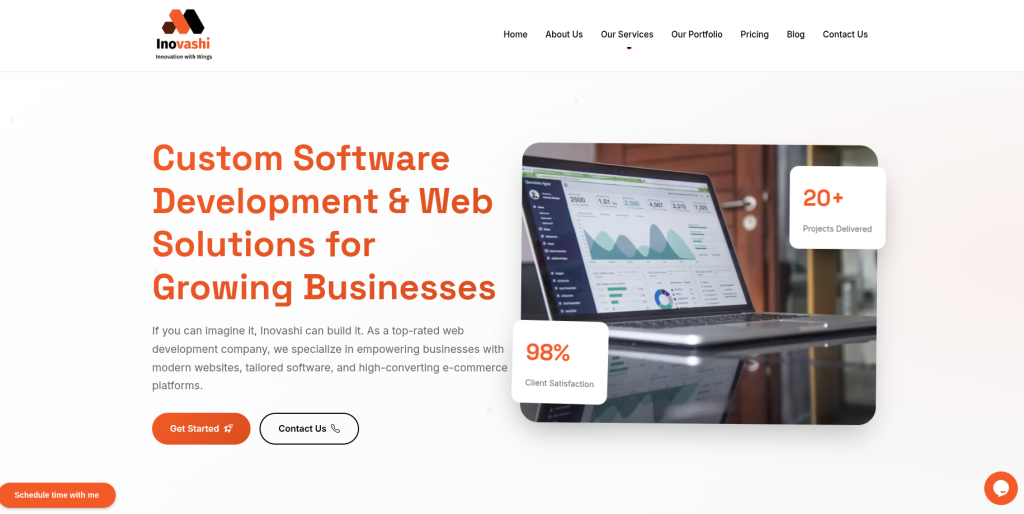 Inovashi is a technology and digital development provider that can be assessed for web development and business technology projects.
Businesses considering an Intershop to Shopify migration should evaluate whether a provider can handle both the storefront transition and the technical requirements behind it.
For example, the existing Intershop store may rely on custom product fields, pricing rules, integrations, or specialized workflows. These need to be documented before the Shopify implementation begins.
Inovashi can be evaluated against the project’s specific needs, including Shopify development, custom functionality, integration planning, and post-launch technical support.
Key areas to evaluate:
-
Web development
-
Ecommerce implementation
-
Shopify development
-
Custom software
-
API integrations
-
Website redesign
-
Technical support
7. Ealam Group
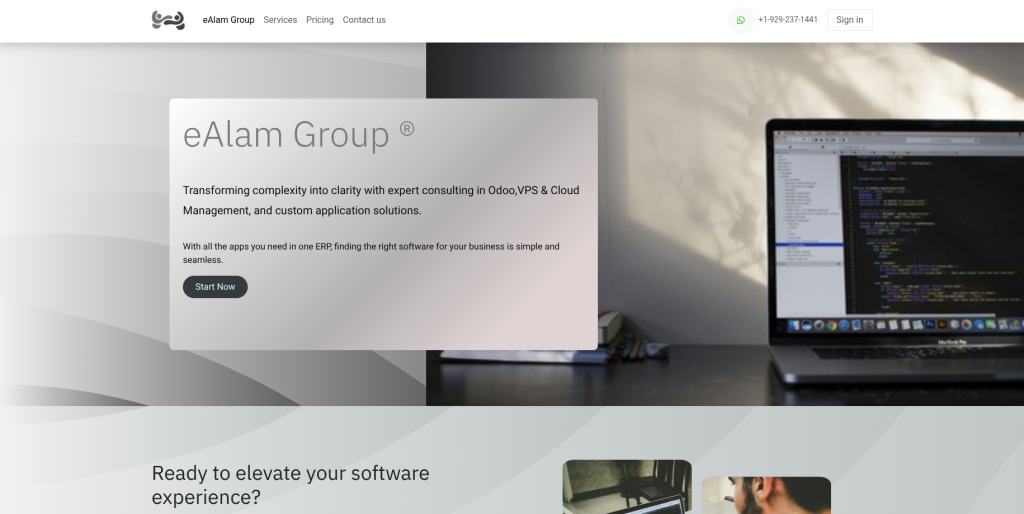 Ealam Group is a digital solutions provider that businesses can evaluate for web development and related technology services.
A business moving from Intershop to Shopify may need assistance with website redevelopment, storefront functionality, content migration, and external system connections.
The migration project should define the existing store’s technical requirements before development starts. This includes identifying the data that must be transferred, the features that must be recreated, and the integrations that need to remain operational.
Businesses should assess Ealam Group’s current Shopify capabilities and relevant ecommerce migration experience before choosing it for a project of this complexity.
Key areas to evaluate:
-
Website development
-
Ecommerce solutions
-
Shopify implementation
-
Custom development
-
System integrations
-
Website redesign
-
Ongoing support
8. W-Max
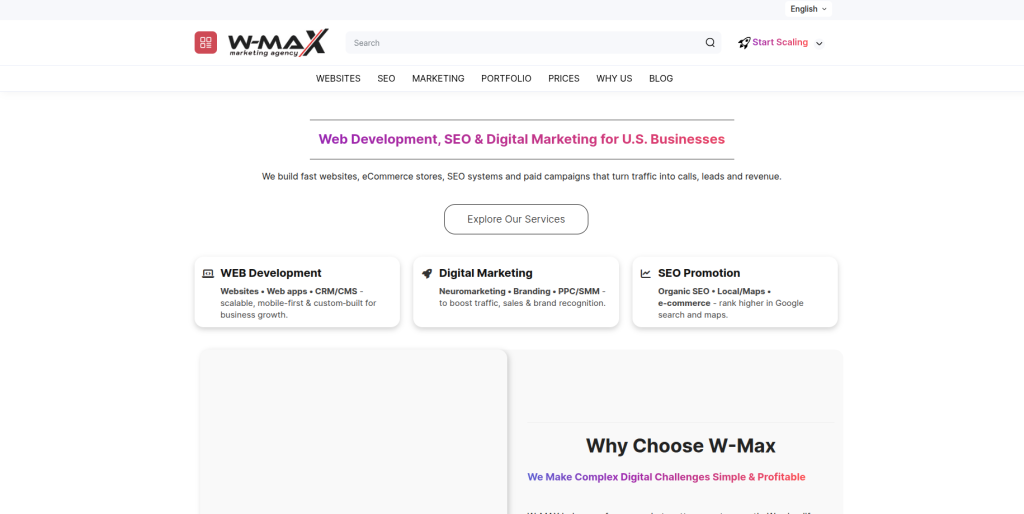 W-Max is a digital and technology services provider that can be considered for website development and ecommerce-related projects.
For an Intershop migration, a development provider needs to understand how the existing website operates and how its essential functionality will be reproduced in Shopify.
The project may include transferring product information, reorganizing categories, rebuilding the storefront, connecting external systems, and validating the new store before launch.
Businesses should evaluate W-Max based on its current ecommerce development services, Shopify expertise, and ability to support the technical requirements of an enterprise migration.
Key areas to evaluate:
-
Ecommerce development
-
Website implementation
-
Shopify development
-
Custom functionality
-
API integrations
-
Storefront improvements
-
Technical support
9. ImproveBizz
 ImproveBizz is a digital services provider that businesses can assess for website development and online business improvement projects.
An ecommerce migration can provide an opportunity to improve website usability, product presentation, conversion paths, and the overall customer experience.
For a business moving from Intershop to Shopify, the migration should include a review of the existing customer journey, product catalogue, navigation, and integrations before the new storefront is built.
ImproveBizz should be evaluated for its specific Shopify development experience, technical migration process, and ability to support SEO and ecommerce functionality.
Key areas to evaluate:
-
Website development
-
Ecommerce development
-
Shopify implementation
-
User experience improvements
-
Website optimization
-
Digital business services
-
Technical support
10. Digitized Kosmos
 Digitized Kosmos is a web engineering and digital growth provider focused on custom websites, web applications, mobile applications, and search visibility.
Digitized Kosmos emphasizes custom web engineering, performance-focused websites, application development, search visibility, and digital growth systems.
These capabilities may be relevant when a business wants to review its broader digital architecture during an ecommerce migration. For example, a project might involve improving site performance, building supporting applications, or connecting the storefront with other business systems.
However, Intershop-to-Shopify migration requires specific ecommerce platform knowledge. Businesses should assess the provider’s Shopify implementation experience and ability to migrate ecommerce data before including it on the final shortlist.
Key capabilities to evaluate:
-
Custom web development
-
Web applications
-
Performance-focused development
-
Search visibility
-
API integrations
-
Digital growth systems
-
Technical architecture
How to Choose the Right Intershop To Shopify Migration Company
Choosing a migration partner should depend on the complexity of the existing store and the business’s long-term ecommerce requirements.
1. Review Enterprise Ecommerce Experience
Intershop stores may include complex business rules and integrations. Ask prospective providers whether they have experience with:
-
Intershop
-
Shopify
-
Enterprise ecommerce
-
Large product catalogues
-
B2B commerce
-
Multi-store environments
-
Custom ecommerce integrations
Ask for relevant examples and clarify which parts of the migration the provider handled.
2. Evaluate the Data Migration Process
The provider should create a clear mapping plan for:
-
Products
-
Categories
-
Variants
-
Customer records
-
Orders
-
Product media
-
Reviews
-
Inventory
-
Pricing rules
-
Custom fields
The plan should also identify data that cannot be transferred directly and explain how it will be handled.
3. Review Integration Requirements
List the systems connected to the existing Intershop store.
These may include:
-
ERP platforms
-
CRM systems
-
Inventory management
-
Warehouse management
-
Payment gateways
-
Shipping systems
-
Marketing automation
-
Analytics
-
Customer service tools
Ask whether each connection will use a Shopify app, API integration, middleware, or custom development.
4. Check SEO Migration Capabilities
SEO planning should begin before the new store is developed.
Ask how the company will manage:
-
URL mapping
-
301 redirects
-
Metadata
-
Canonical URLs
-
Internal links
-
Structured data
-
XML sitemap
-
Robots.txt
-
Indexation
-
Search Console monitoring
5. Understand Shopify Customization
Existing Intershop functionality may not have a direct equivalent in Shopify.
The migration team should identify which features need to be rebuilt using Shopify themes, apps, APIs, or custom development.
This is especially important for specialized pricing, product configuration, B2B purchasing, and multi-region requirements.
6. Review Testing and Launch Procedures
Before launch, the migration team should test:
-
Product pages
-
Collections
-
Product variants
-
Search and filtering
-
Customer accounts
-
Cart and checkout
-
Payments
-
Shipping
-
Taxes
-
Discounts
-
Order processing
-
Inventory synchronization
-
Integrations
-
Redirects
-
Mobile responsiveness
7. Ask About Post-Migration Support
The migration provider should explain what happens after launch.
Support may include technical fixes, app configuration, performance improvements, SEO monitoring, integration troubleshooting, analytics verification, and ongoing Shopify development.
Benefits of Moving From Intershop to Shopify
Hosted Ecommerce Environment
Shopify provides hosted ecommerce infrastructure, reducing the need for businesses to manage the underlying store infrastructure themselves.
Simplified Store Administration
Shopify provides a centralized environment for managing products, orders, customers, discounts, themes, apps, and other ecommerce operations.
Flexible Storefront Development
Shopify themes can be customized or developed to match a business’s branding and customer experience requirements.
App and Integration Options
Businesses can extend Shopify using apps, APIs, and third-party integrations for marketing, inventory, shipping, payments, analytics, and customer service.
Opportunity to Rebuild Business Workflows
Migration provides a chance to review existing workflows and decide whether they should be recreated, simplified, or improved.
Storefront and Customer Experience Improvements
Businesses can use the transition to improve navigation, product pages, mobile usability, checkout, site speed, and conversion paths.
Intershop To Shopify Migration Checklist
Before Migration
-
Audit the existing Intershop store
-
Back up the source data
-
Export product information
-
Review customer records
-
Review historical orders
-
Document pricing rules
-
Record existing URLs
-
Identify custom functionality
-
Document integrations
-
Review existing SEO settings
-
Identify business-critical workflows
Migration Planning
-
Define the Shopify store architecture
-
Map source data to Shopify
-
Plan product and collection structures
-
Review customer account requirements
-
Define pricing and inventory rules
-
Identify required Shopify apps
-
Identify custom development requirements
-
Create the URL redirect map
-
Plan SEO migration
-
Establish testing requirements
Shopify Development
-
Configure the Shopify store
-
Select or develop the theme
-
Create product templates
-
Configure collections
-
Set up navigation
-
Configure payment methods
-
Configure shipping
-
Configure taxes
-
Connect required apps
-
Implement custom functionality
-
Integrate external systems
Data Migration
-
Transfer products
-
Transfer product images
-
Transfer variants
-
Recreate collections
-
Transfer customer data
-
Transfer historical orders where required
-
Transfer reviews where applicable
-
Configure discounts
-
Validate inventory
-
Check product relationships
-
Verify migrated content
SEO Migration
-
Crawl the existing website
-
Map old URLs to new Shopify URLs
-
Implement 301 redirects
-
Transfer meta titles
-
Transfer meta descriptions
-
Review canonical URLs
-
Check internal links
-
Verify structured data
-
Check the Shopify sitemap
-
Verify Google Search Console
-
Monitor indexation
Testing
-
Test product pages
-
Test collections
-
Test search and filtering
-
Test customer accounts
-
Test cart and checkout
-
Test payment methods
-
Test shipping
-
Test taxes
-
Test discounts
-
Test order processing
-
Test inventory synchronization
-
Test external integrations
-
Test mobile layouts
-
Test redirects
-
Verify analytics
Launch
-
Complete the final backup
-
Perform final data synchronization
-
Verify the Shopify domain
-
Check SSL
-
Test critical URLs
-
Verify redirects
-
Verify analytics
-
Check Search Console
-
Submit or verify the sitemap
-
Monitor organic traffic
-
Monitor conversions
-
Review crawl errors
Frequently Asked Questions
What is Intershop To Shopify Migration?
Intershop To Shopify Migration is the process of moving an ecommerce store from Intershop to Shopify while transferring the required products, customers, orders, content, media, and other relevant store information.
Can Intershop products be migrated to Shopify?
Yes. Product information can be migrated, but the exact process depends on the source data structure and the requirements of the destination store. Product attributes, variants, custom fields, and relationships may require additional mapping.
Can customer data and historical orders be transferred?
Customer information and historical order data may be migrated when the required source data is available and the destination platform supports the intended structure. The migration scope should define which records need to be retained.
Can custom Intershop functionality be recreated in Shopify?
Some functionality can be recreated using Shopify apps, themes, APIs, or custom development. However, enterprise-specific features may need to be redesigned rather than transferred directly.
What happens to existing ERP and CRM integrations?
Each integration should be reviewed individually. The migration team should determine whether it can be connected through an existing Shopify app, an API, middleware, or custom development.
Will my URLs change after migration?
Some URLs may change because Intershop and Shopify use different URL structures. Old URLs should be mapped to relevant new pages, with 301 redirects implemented where appropriate.
Will Intershop To Shopify Migration affect SEO?
It can. Changes to URLs, content, metadata, redirects, internal links, and technical settings can affect search visibility. An SEO migration plan should therefore be prepared before launch.
Can a B2B Intershop store move to Shopify?
A B2B store may be migrated to Shopify, but the project needs to account for company accounts, purchasing permissions, customer-specific pricing, and other business requirements. Some features may require compatible Shopify functionality, apps, or custom integrations.
How long does Intershop To Shopify Migration take?
The timeline depends on the size and complexity of the store, including product volume, historical data, custom functionality, pricing rules, integrations, SEO requirements, and testing.
Should the new Shopify store be tested before launch?
Yes. Products, collections, customer accounts, checkout, payments, shipping, inventory, integrations, redirects, and mobile layouts should be tested before the store goes live.
Conclusion
An Intershop To Shopify Migration can help a business modernize its ecommerce storefront and move to a hosted platform with flexible customization and integration options. However, the transition requires careful planning when the existing Intershop store supports complex catalogues, customer-specific pricing, enterprise integrations, or custom business processes.
A complete migration should cover product data, customers, orders, pricing rules, inventory, content, URLs, SEO, integrations, storefront functionality, testing, and launch support.
Among the companies reviewed, CartUnited and EbizON are the most directly relevant options to consider for this specific migration topic, with both offering dedicated migration services for the Intershop-to-Shopify transition. CartUnited’s broader migration services cover ecommerce data, integrations, SEO preservation, and Shopify development, while EbizON offers a wide-ranging Shopify migration and development service covering content, assets, redirects, CRM migration, integrations, and ongoing maintenance.
The other companies offer different combinations of web development, custom software, ecommerce integrations, digital services, and technical engineering. Their suitability should be assessed against the specific needs of the Intershop store, particularly where enterprise functionality must be recreated in Shopify.
The best migration partner is one that can document the existing system, map the required data, plan integrations, preserve SEO value, test the new store, and provide support after launch. A structured migration process can help businesses transition to Shopify while minimizing disruption to customers and essential ecommerce operations.