
Top 10 Ticimax To Shopify Migration Companies
Ticimax gives online businesses tools for products, orders, stock, payments, campaigns, integrations, and other ecommerce operations. The platform says more than 30,000 brands use its ecommerce infrastructure.
But a platform that works today may not always match where a business wants to go tomorrow.
Some store owners want a different app ecosystem, easier international expansion, new integrations, a redesigned storefront, or a Shopify-based setup that better matches their future plans. This is where Ticimax To Shopify Migration becomes important.
The move needs to be planned carefully.
Products are only one part of an ecommerce store. You may also have product variants, collections, customers, historical orders, images, content pages, URLs, SEO data, payment settings, shipping rules, analytics, and custom integrations.
Shopify’s official guide for migrating an existing ecommerce store to Shopify recommends reviewing the current store first, deciding which data should move, importing the information, checking products, setting up shipping, taxes and payments, testing orders, connecting the domain, and reviewing SEO.
That is why choosing the right migration partner matters.
Below are 10 companies to consider when planning a move from Ticimax to Shopify. Some have a direct migration focus, while others have broader ecommerce, development, design, or technology capabilities. For companies where public information does not clearly establish Ticimax-specific migration experience, you should ask for relevant examples before hiring them.
Best Ticimax To Shopify Migration Companies in 2026
The 10 companies covered in this guide are:
- CartUnited
- EbizON Digital
- Sirgil
- Rise Forge
- SellersArk
- Inwider Technologies
- 66 Designs
- Juiced Media
- LK Software Solutions
- Digiworq
The order is designed to make CartUnited and EbizON easy to find because they provide dedicated Ticimax-to-Shopify migration offerings. For the other companies, the important step is verifying direct Ticimax and Shopify migration experience before choosing a partner.
What Should a Ticimax to Shopify Migration Include?
A good migration starts with an audit.
Your team should know what exists in Ticimax before anything is moved. This includes products, categories, variants, images, customers, orders, pages, URLs, integrations, custom features, shipping rules, payment workflows, and SEO information.
Shopify recommends deciding which content and data you want to migrate before starting. Its migration documentation lists products, customers, historical orders, gift cards, blogs, and pages among the information businesses may need to move. Shopify also notes that the best migration method depends on the amount and complexity of the data.
The migration partner should therefore be able to explain:
- What data will move
- What data cannot move directly
- What needs to be rebuilt
- What Shopify apps will replace existing features
- How custom Ticimax functions will be handled
- How SEO value will be protected
- How the new store will be tested
- What happens immediately after launch
This discovery work is often more important than the actual import.
Why Data Mapping Matters During Ticimax to Shopify Migration
Ticimax and Shopify do not organize every piece of store information in exactly the same way.
A field or feature available in your existing store may need to be mapped to a Shopify product field, metafield, collection, app, or custom feature. This is why blindly importing a spreadsheet can create problems.
Shopify also says that migration order matters. Products should generally be imported before customers and historical orders so the records can be properly connected.
Product data needs special attention.
Shopify’s official product CSV migration and import guidance explains how CSV files can be used when moving from another platform and recommends backing up product information before starting an import.
A migration company should check products after import rather than assuming the job is finished because the data uploaded successfully.
SEO Should Be Part of the Migration From Day One
One common mistake is treating SEO as something to fix after launch.
By then, damage may already have happened.
Your Ticimax store may have product and category pages that already rank in search engines. If Shopify creates different URLs and the old URLs disappear without a proper redirect plan, visitors and search engines can reach dead pages.
A good migration should review:
- Existing product and category URLs
- High-traffic landing pages
- Pages with backlinks
- Page titles and descriptions
- Heading structure
- Internal links
- Image information
- Canonical URLs
- Structured data
- XML sitemaps
- Analytics and tracking
- Redirect requirements
Shopify includes SEO as part of its official migration workflow, making it something to plan during the move rather than after the new store is already live.
1. CartUnited
Focused Ticimax to Shopify Migration Support for Growing Online Stores
CartUnited is the most directly migration-focused option on this list for businesses that want to move an existing Ticimax store to Shopify. The project should start by understanding the current catalog, customer information, orders, images, URLs, and store functionality before mapping them into Shopify. This approach is useful when the main goal is a controlled platform move rather than building a completely unrelated new website. Store owners should also define which Ticimax features need to be recreated through Shopify apps or custom development. A clear testing and launch plan can then reduce surprises when the new Shopify store goes live.
- Migration-focused approach: Suitable for merchants specifically planning a move between ecommerce platforms.
- Store data planning: Products, collections, variants, images, customers, and relevant order information should be mapped before migration.
- Shopify setup: The new store can be planned around Shopify’s product, navigation, payment, shipping, and app structure.
- SEO migration: URL mapping, redirects, metadata, and important organic landing pages should be included in the project scope.
- Best suited for: Businesses looking for a focused Ticimax store migration partner for a Shopify rebuild.
Before choosing how much of the existing store to rebuild, businesses can review CartUnited’s complete Ticimax store to Shopify migration service for growing ecommerce brands and compare the migration scope with their current Ticimax setup.
2. EbizON Digital
End-to-End Shopify Migration for Ticimax Stores With Custom Requirements
EbizON Digital is worth considering when the move involves more than transferring standard products from one platform to another. A mature Ticimax store may have custom workflows, third-party integrations, unique product structures, marketing tools, or functionality that must be recreated in Shopify. In this type of project, migration and Shopify development need to work together. Businesses should document their current features before deciding what will be moved, replaced with Shopify apps, or rebuilt. This makes EbizON particularly relevant for stores that expect development work alongside the platform migration.
- End-to-end migration: Useful when data transfer and Shopify development need to happen together.
- Custom requirements: Relevant when existing Ticimax functionality needs to be rebuilt or replaced.
- Integration planning: Important for businesses connecting ecommerce with marketing, CRM, ERP, analytics, or other systems.
- Store improvement: Migration can also be used to review navigation, product pages, checkout flow, and customer experience.
- Best suited for: Growing brands with complex Ticimax to Shopify migration and development requirements.
For stores with custom functionality, it is useful to compare those requirements against EbizON’s Ticimax ecommerce migration service with custom Shopify development support before finalizing the project scope.
3. Sirgil
A Technology Partner to Evaluate for Custom Ecommerce Migration Requirements
Sirgil is one of the companies supplied for this comparison, but businesses should verify its direct Ticimax-to-Shopify migration record before treating it as a specialist for this exact platform combination. The right discussion should focus on data migration, Shopify development, custom functionality, and integrations rather than general web development alone. Ask the team to review your Ticimax store before providing a final estimate. The review should identify features that can move directly and features that need a different Shopify solution. Relevant examples of similar migrations should be requested during the selection process.
- Technical discovery: Ask for a detailed review of the current Ticimax environment.
- Shopify verification: Request recent Shopify development and migration examples.
- Data mapping: Confirm how products, variants, customers, orders, and other records would be handled.
- Custom functionality: Ask how non-standard Ticimax features would work after the move.
- Best suited for: Businesses willing to validate direct Ticimax and Shopify migration experience before hiring.
4. Rise Forge
A Development Option to Assess for a Structured Shopify Store Move
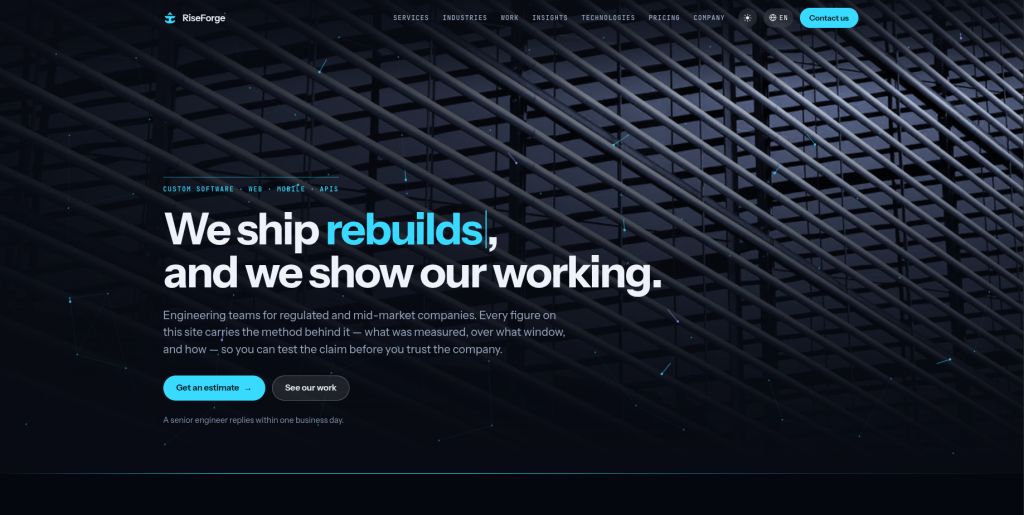
Rise Forge should be evaluated based on the technical needs of your existing Ticimax store and the Shopify experience it can demonstrate. A useful discovery process should begin with the product catalog, customer data, orders, content, integrations, and custom store features. Businesses should also ask how the company approaches staging, testing, launch, and post-launch fixes. A migration provider needs to understand how ecommerce data connects, not just how to build attractive pages. Before choosing Rise Forge, request examples that show experience with Shopify migrations of similar complexity.
- Migration discovery: The existing store should be audited before development begins.
- Shopify capability: Ask for current Shopify projects relevant to your requirements.
- Testing process: Confirm how products, checkout, payments, shipping, and mobile pages will be tested.
- Migration evidence: Request examples involving ecommerce platform changes rather than only new website builds.
- Best suited for: Merchants seeking a development-led ecommerce migration process after verifying platform experience.
5. SellersArk
An Ecommerce Partner to Review for Product and Store Migration Planning

SellersArk is another company to investigate when creating a shortlist for a Ticimax-to-Shopify project. Your evaluation should focus on its ability to understand the existing catalog and recreate the required shopping experience inside Shopify. Large catalogs can contain product variants, images, category relationships, special pricing, customer information, and other details that need careful mapping. Ask how the team would manage migration testing before the final launch. Direct Ticimax and Shopify migration examples should be verified before a contract is signed.
- Catalog planning: Confirm how large or complex product catalogs would be mapped into Shopify.
- Customer data: Ask which customer information can be transferred and how it will be checked.
- Shopify setup: Verify experience with themes, navigation, apps, payments, and shipping.
- Quality assurance: Request a written process for testing imported information and storefront functionality.
- Best suited for: Ecommerce businesses that want to evaluate migration and catalog-management capabilities together.
6. Inwider Technologies
Ecommerce Development Support for Stores With Broader Technical Needs
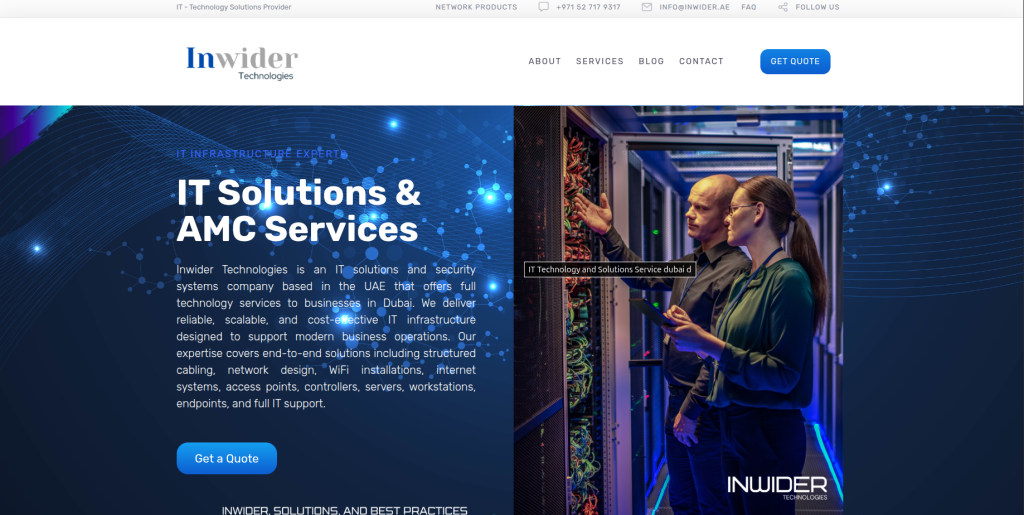
Inwider Technologies publicly promotes ecommerce development, shopping-cart solutions, custom web development, and integration-related services. It also discusses responsive testing and broader software development capabilities. This makes the company relevant to evaluate when the migration includes technical work beyond moving basic catalog data. However, those broader ecommerce capabilities do not by themselves prove direct Ticimax-to-Shopify migration experience. Businesses should ask for Shopify-specific projects and examples involving ecommerce platform migration before making a decision.
- Ecommerce development: Public services include ecommerce and shopping-cart development.
- Custom development: Relevant when the new store requires features outside a basic storefront.
- Responsive testing: Useful for checking the new shopping experience across devices.
- Experience to verify: Ask specifically for Shopify and Ticimax migration examples.
- Best suited for: Businesses with broader ecommerce development needs around a platform migration.
7. 66 Designs
Design-Led Ecommerce Support for Brands Planning a Store Refresh
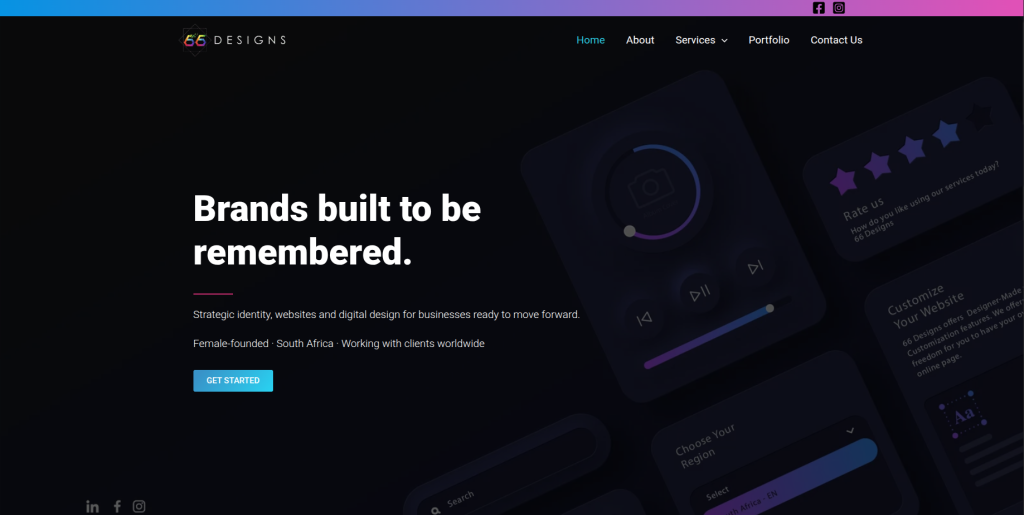
66 Designs publicly lists ecommerce store development, web development, UI/UX design, responsive design, and technical support among its capabilities. Its ecommerce offering also discusses product listings, payment gateways, and online-store development. This may make it interesting for businesses that want a visual refresh while changing ecommerce platforms. A good-looking storefront, however, is only one part of a safe migration. Businesses should separately verify Shopify experience and direct Ticimax migration capabilities before selecting the company.
- Ecommerce design: Relevant when the migration also includes a storefront redesign.
- UI/UX capabilities: Useful for improving navigation, product presentation, and mobile usability.
- Responsive development: Important when rebuilding the shopping experience for different screen sizes.
- Migration experience to verify: Ask for direct Shopify migrations and examples involving complex store data.
- Best suited for: Brands considering ecommerce migration together with a visual and UX refresh.
8. Juiced Media
Ecommerce Design and SEO Support for a Broader Store Rebuild
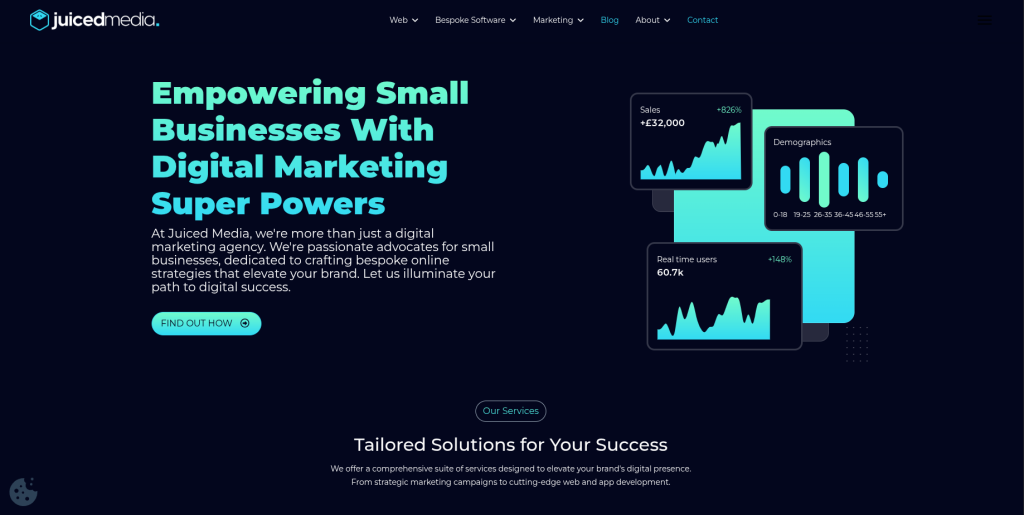
Juiced Media publicly offers ecommerce website services that include user-interface design, product management, analytics, payment processing, and related ecommerce support. The company also discusses ecommerce SEO and areas such as site architecture, internal linking, measurement, and ongoing optimization. These capabilities can be relevant when a platform move also involves improving the wider storefront and organic-search setup. Still, businesses should confirm direct Shopify development and Ticimax migration experience. Migration data handling should be assessed separately from design and marketing capabilities.
- Ecommerce experience: Public services cover ecommerce websites and online product management.
- UX focus: Relevant when improving how customers move from products to checkout.
- SEO awareness: Useful when organic visibility needs attention during a platform change.
- Shopify experience to verify: Ask for current Shopify builds and platform migration case studies.
- Best suited for: Businesses combining store migration evaluation with design and ecommerce SEO improvements.
9. LK Software Solutions
Custom Ecommerce Development for Stores With Integration Requirements
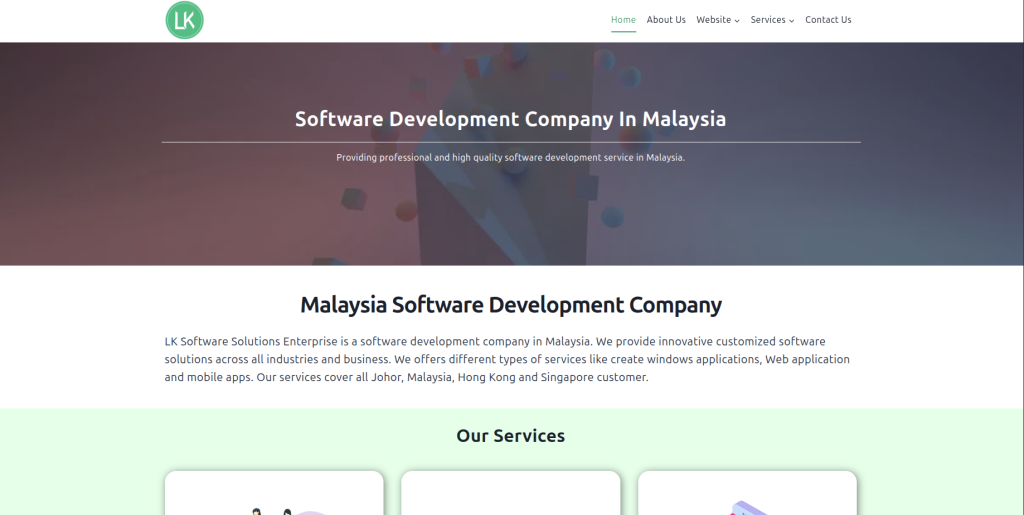
LK Software Solutions publicly offers ecommerce development alongside custom software, web applications, and other development services. Its ecommerce material focuses mainly on WooCommerce and says it can also support other ecommerce platforms, so Shopify capability should be verified directly before hiring the company for this particular migration. Its broader software background may still be useful when a store has custom systems or integrations that need to be considered. Businesses should ask how existing Ticimax data would map to Shopify and who would own migration QA. Direct Shopify examples are important here.
- Ecommerce development: The company publicly offers online-store development services.
- Custom software: Potentially useful for businesses with connected systems or non-standard workflows.
- Integration discussion: Ask how existing business software would connect with Shopify.
- Shopify experience to verify: Public ecommerce information reviewed focuses heavily on WooCommerce.
- Best suited for: Businesses that need technical discovery before choosing a Shopify migration development partner.
10. Digiworq
Ecommerce Technology and Digital Growth Support for Store Modernization
Digiworq publicly lists ecommerce website development within its technology services and displays ecommerce development projects in its portfolio. It also works across broader digital marketing and technology areas, which can be useful when a new ecommerce store needs marketing support after launch. For a Ticimax-to-Shopify project, however, businesses should separate general ecommerce experience from direct migration expertise. Ask for Shopify-specific examples, the proposed data migration method, and the testing process. This will help establish whether its capabilities match the technical demands of your store.
- Ecommerce development: Public services include ecommerce website development.
- Broader technology services: Useful when a project involves more than storefront design.
- Digital growth capabilities: Relevant when marketing and post-launch improvement are also required.
- Migration experience to verify: Request Shopify and platform-migration examples relevant to your store.
- Best suited for: Businesses considering ecommerce redevelopment together with broader digital growth support.
What Data Can Be Moved From Ticimax to Shopify?
The exact answer depends on your Ticimax setup.
Common migration areas include:
- Products
- Product descriptions
- SKUs
- Prices
- Images
- Product options and variants
- Categories or collection relationships
- Customer profiles
- Customer addresses
- Historical orders
- Content pages
- Blogs
- SEO information
- Existing URLs
- Inventory information
- Gift cards or store credits where technically supported
Shopify supports several migration methods, including CSV files, migration apps, APIs, and custom solutions. Shopify also says businesses can hire a Shopify Partner to manage a migration.
Not every Ticimax field will automatically have an identical Shopify field.
This is why data mapping should happen before the full import.
How to Choose a Ticimax to Shopify Migration Company
1. Ask About Direct Ticimax Experience
Do not assume that every Shopify developer understands Ticimax.
Ask whether the company has worked with the Ticimax database, exports, web services, product structures, customer information, orders, and custom modules.
Ticimax itself promotes integrations, web services, product management, order management, campaigns, and other ecommerce functionality. That means two Ticimax stores can have very different migration requirements.
2. Ask for a Data Migration Plan
The proposal should say what will and will not move.
Ask specifically about:
- Products
- Variants
- Images
- Customers
- Addresses
- Orders
- Collections
- Content
- Discounts
- SEO metadata
- URLs
- Custom fields
Shopify’s migration guidance notes that some content can be transferred using CSV files, while other information may require apps or APIs.
3. Check How Customer Data Will Be Handled
Customer migration deserves special attention.
Shopify supports importing customer profiles using CSV files, but its documentation also notes limitations around information from orders placed on other ecommerce platforms.
Ask your migration partner to explain exactly which customer fields will appear in Shopify and which historical information will require a different migration method.
4. Protect Existing SEO
Create a list of your current URLs before changing platforms.
Important product, category, brand, blog, and landing pages should be mapped to their new Shopify destinations.
Do not wait until launch day to think about redirects.
The migration team should also review metadata, internal links, canonical tags, indexability, structured data, sitemaps, and analytics.
5. Test Products After Import
Imported does not always mean correct.
Shopify specifically recommends checking product details after migration because prices, weights, inventory, publication status, and variants can be affected by import problems.
Compare the old and new stores.
Check a sample from every major product type, especially complicated variants.
6. Test the Entire Buying Journey
Do not launch because the homepage looks finished.
Test:
- Product search
- Navigation
- Product filters
- Variant selection
- Add to cart
- Discounts
- Checkout
- Payments
- Shipping
- Taxes
- Customer accounts
- Order emails
- Mobile shopping
- Analytics
- Advertising tracking
Shopify’s migration process specifically includes setting up shipping, taxes and payments and placing test orders before completing the move.
Common Ticimax to Shopify Migration Mistakes
One of the biggest mistakes is starting development without a complete migration inventory.
Another is assuming every Ticimax feature has a direct Shopify replacement.
Apps may solve some requirements. Others may require custom development. Some old functionality may no longer be useful and can simply be removed.
Businesses also make mistakes when they redesign every page, change all URLs, alter navigation, rewrite content, switch tracking systems, and change platforms at the same time without proper testing.
Too many changes make problems harder to identify.
A safer process is to know exactly what is changing, why it is changing, and how it will be tested.
A Simple Ticimax to Shopify Migration Checklist
Before launch, confirm that:
- Products and variants are accurate
- Prices are correct
- Images display properly
- Collections are organized
- Customer information is checked
- Required historical orders are available
- Navigation works
- Search works
- Payment gateways work
- Shipping rules work
- Taxes are configured
- Discount codes are tested
- Forms work
- Customer accounts work
- Mobile pages are checked
- Important old URLs redirect correctly
- Metadata is reviewed
- Analytics works
- Advertising tracking works
- Test orders are successful
- A post-launch support plan is ready
Shopify also provides an official online store migration checklist that merchants can use alongside their project-specific checklist.
FAQs
1. What is Ticimax To Shopify Migration?
Ticimax To Shopify Migration is the process of moving an ecommerce store from Ticimax to Shopify. It may include products, variants, images, customers, historical orders, pages, SEO information, URLs, and other store data. Some custom Ticimax functionality may need to be recreated using Shopify apps or custom development.
2. Can I migrate all my products from Ticimax to Shopify?
In many cases, product information can be transferred, but the exact process depends on how your Ticimax catalog is structured. Products, SKUs, prices, images, options, and variants should be reviewed and mapped to Shopify before the full migration.
3. Can customer data be moved from Ticimax to Shopify?
Shopify supports customer-profile imports, including CSV-based imports, but not every piece of historical information from another ecommerce platform behaves the same way. Your migration company should explain exactly what customer information will move and how it will be imported.
4. Can historical orders be migrated to Shopify?
Shopify supports methods for migrating historical orders, including migration apps and APIs. Shopify also recommends importing products and customers before historical orders so those records can be connected correctly.
5. Will a Ticimax to Shopify migration affect SEO?
It can if URLs, content, metadata, internal links, or important pages change without planning. A migration should include an SEO inventory, URL mapping, redirects, metadata checks, sitemap review, and post-launch monitoring.
6. How long does Ticimax to Shopify migration take?
There is no single timeline for every store. A small catalog with standard functionality can be simpler than a large store with thousands of products, historical orders, custom integrations, multiple languages, and special business rules. A technical audit should happen before a reliable timeline is promised.
7. Can my Ticimax design be moved directly to Shopify?
Usually, the storefront needs to be recreated within Shopify’s theme system rather than copied exactly. This is also a good time to decide which parts of the old design should stay and which parts should be improved.
8. What should I test after moving to Shopify?
Test products, variants, collections, customer accounts, checkout, payments, shipping, taxes, discount codes, search, navigation, forms, emails, mobile layouts, redirects, analytics, and marketing tracking. Shopify also recommends placing test orders during store migration.
9. Should I use an app or a migration company?
It depends on the complexity of your store. Shopify lists CSV files, migration apps, Shopify Partners, and custom API solutions as possible migration methods. Stores with custom functionality, integrations, complex data, or significant SEO traffic may benefit from professional planning and testing.
10. What should I ask a Ticimax to Shopify migration company before hiring?
Ask about direct Ticimax experience, Shopify projects, product and customer migration, historical orders, SEO redirects, custom functionality, integrations, testing, launch support, and post-launch fixes. Request a written migration scope so both sides know what is included before development starts.
Conclusion
Moving from Ticimax to Shopify can give a business a fresh ecommerce foundation, but the migration should not be treated as a simple product upload.
Your products, variants, customers, historical orders, images, content, URLs, integrations, SEO signals, checkout setup, and tracking all need attention.
Shopify’s own guidance makes this clear. Migration involves importing data, verifying products, configuring shipping, taxes and payments, testing orders, setting up the domain, and reviewing SEO.
Start by auditing your Ticimax store.
Then compare migration companies using the same questions. Ask what they will migrate, how they will migrate it, how they will protect SEO, what they will test, and what support they provide after launch.
CartUnited and EbizON have dedicated service offerings for this specific migration path. For Sirgil, Rise Forge, SellersArk, Inwider Technologies, 66 Designs, Juiced Media, LK Software Solutions, and Digiworq, verify direct Ticimax and Shopify migration experience against your actual project requirements.
The goal is not simply to get your data into Shopify.
The goal is to launch a Shopify store where your products are accurate, customers can shop normally, important URLs still work, tracking is reliable, and your team has a platform it can confidently use after migration.