
Top 10 VTEX To Shopify Migration Companies
Migrating an ecommerce business from VTEX to Shopify requires a detailed plan for transferring store data, rebuilding functionality, and maintaining the customer experience. For established businesses, the process may involve thousands of products, complex pricing rules, customer records, order histories, integrations, and SEO-sensitive URLs.
A successful VTEX To Shopify Migration is not simply a platform change. It is an opportunity to review the existing ecommerce architecture, simplify store management where possible, improve the storefront, and create a foundation for future growth.
Shopify offers a hosted ecommerce environment with themes, apps, APIs, checkout capabilities, and integrations. However, businesses moving from VTEX need to evaluate which existing features can be recreated through Shopify’s native functionality, which require apps, and which need custom development.
This guide compares 10 companies to consider for a VTEX to Shopify migration, with attention to ecommerce development, technical integrations, SEO preservation, testing, and ongoing support.
Why Businesses Migrate From VTEX to Shopify
Businesses may consider migrating from VTEX when their current platform no longer aligns with their operating model, development requirements, or growth plans.
Common reasons include:
-
Simplifying ecommerce store administration
-
Moving to a hosted commerce environment
-
Improving storefront flexibility
-
Accessing Shopify’s app ecosystem
-
Modernizing the customer shopping experience
-
Improving mobile usability
-
Simplifying integrations with marketing tools
-
Reviewing platform maintenance requirements
-
Improving the management of products and collections
-
Establishing a different foundation for future ecommerce growth
The decision should be based on the business’s technical requirements rather than assuming one platform is universally better than another.
VTEX stores can contain advanced commerce functionality, so the migration team should identify important features before deciding how to recreate them in Shopify.
What Should a VTEX To Shopify Migration Include?
A migration plan should cover the entire ecommerce operation, not just the visible storefront.
Product and Catalogue Migration
Product data may include:
-
Product names and descriptions
-
SKUs and product identifiers
-
Prices and inventory
-
Product images and videos
-
Attributes and variants
-
Product categories
-
Product specifications
-
Custom fields
-
Product relationships
The existing product model should be mapped to Shopify’s product, variant, collection, and metafield structures.
Customer and Order Data
Customer and transaction information may include:
-
Customer profiles
-
Email addresses and contact information
-
Billing and shipping addresses
-
Customer groups or segments
-
Historical orders
-
Order statuses
-
Purchased products
-
Taxes and shipping details
-
Refund-related records, where required
Not every field necessarily transfers directly. The migration team should document the data mapping and validate the results after import.
Pricing, Promotions, and Discounts
Some VTEX implementations use complex pricing structures and promotion rules.
The migration assessment should identify:
-
Standard pricing
-
Customer-specific pricing
-
Volume discounts
-
Coupon rules
-
Promotional campaigns
-
Tax rules
-
Wholesale pricing
-
Market-specific pricing
The team should determine which rules can be recreated through Shopify functionality or apps and which require custom implementation.
Storefront and Content Migration
The migration may also include:
-
Website pages
-
Blog posts
-
Images and banners
-
Navigation menus
-
Landing pages
-
Product-page layouts
-
Policy pages
-
SEO metadata
-
Structured content
The objective is to retain useful content while adapting the storefront to Shopify.
Integrations and Custom Functionality
Enterprise ecommerce stores often depend on external systems. Before migrating, businesses should document connections to:
-
ERP platforms
-
CRM systems
-
Inventory management tools
-
Payment gateways
-
Shipping providers
-
Order management systems
-
Marketing automation platforms
-
Analytics tools
-
Customer service applications
Every integration should be reviewed to determine whether it can be replaced with a Shopify app, connected through an API, or rebuilt.
Why SEO Matters During VTEX To Shopify Migration
An ecommerce migration can affect organic search visibility if URL structures, page content, metadata, internal links, or indexation settings change without a clear plan.
SEO migration should cover:
-
Crawling the existing VTEX website
-
Recording important URLs
-
Mapping old URLs to Shopify URLs
-
Implementing 301 redirects
-
Transferring page titles and meta descriptions
-
Reviewing canonical URLs
-
Checking internal links
-
Preserving valuable landing pages
-
Reviewing structured data
-
Verifying the XML sitemap
-
Monitoring Google Search Console
A pre-migration crawl creates a reference point for comparing the old and new websites. After launch, businesses should monitor indexing, organic traffic, rankings, and landing-page performance to identify issues early.
Top 10 VTEX To Shopify Migration Companies
1. CartUnited
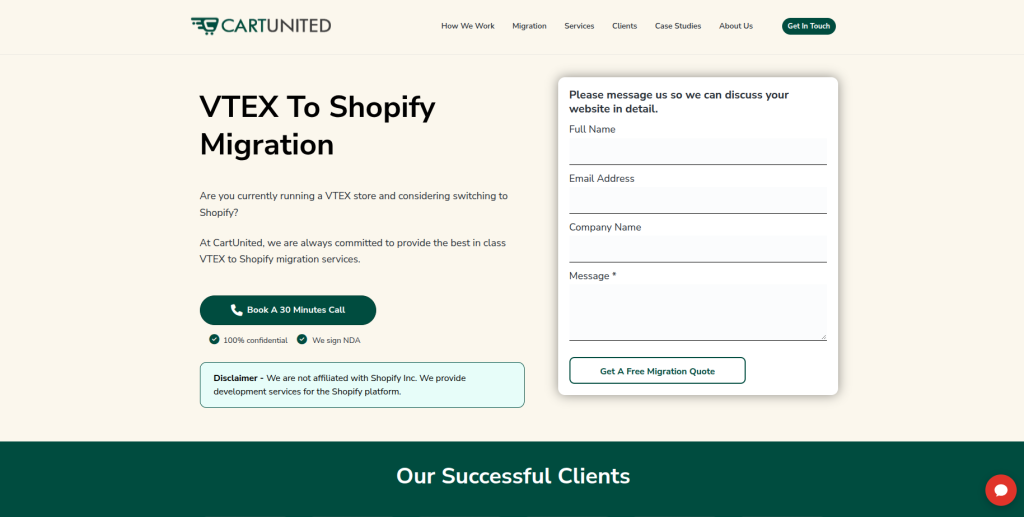 CartUnited is an ecommerce migration and Shopify-focused company offering platform migration, Shopify development, custom integrations, SEO preservation, and store optimization.
CartUnited is the first company to consider for this list because its core offering is closely aligned with ecommerce platform migration. Its broader Shopify migration service covers the transfer of shopping cart data, products, categories, customer information, images, databases, and other store components.
The company’s migration process also addresses URL preservation, metadata, redirects, custom data migration, theme implementation, third-party integrations, and testing.
For a VTEX migration, these capabilities are relevant when the project requires a structured transition of catalogue information, customer data, website content, and important ecommerce functionality.
Businesses can explore CartUnited’s dedicated VTEX To Shopify migration service to review the offering for this platform transition.
A VTEX implementation may contain specialized pricing, product relationships, business rules, or integrations. These requirements should be assessed individually to determine how they will be implemented in Shopify.
Key capabilities:
-
VTEX To Shopify Migration
-
Ecommerce platform migration
-
Product and catalogue migration
-
Customer and order data transfer
-
Shopify development
-
SEO preservation
-
URL mapping and redirects
-
Custom theme implementation
-
API integrations
-
Migration testing
-
Store optimization
-
Post-migration support
2. EbizON
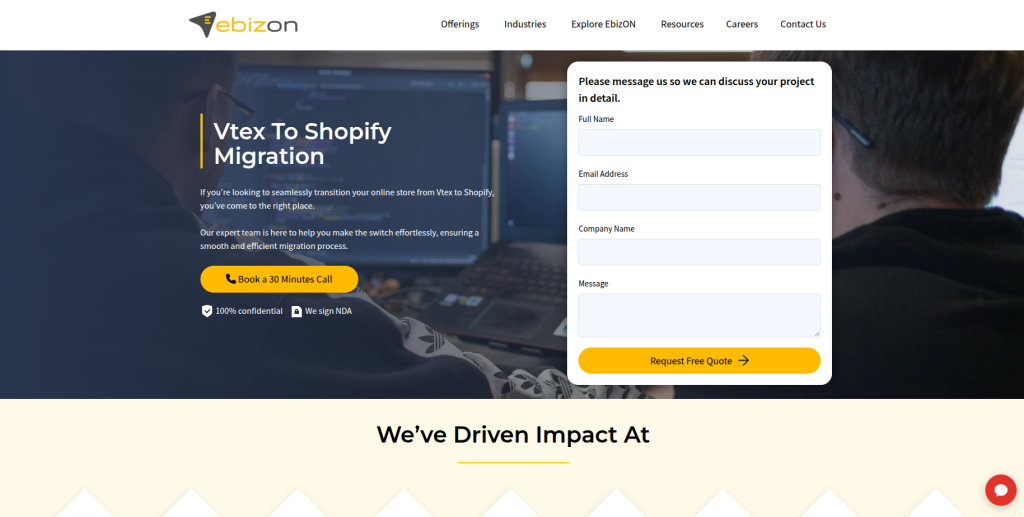 EbizON is a digital technology and ecommerce development company providing Shopify migration, custom development, integrations, SEO migration, and ecommerce optimization.
EbizON offers a broader Shopify migration service covering content, media, categories, tags, SEO settings, redirects, page-builder integration, plugin functionality replacement, theme development, CRM migration, and ongoing maintenance.
These capabilities can be relevant for businesses moving from VTEX when the project includes storefront reconstruction, data migration, integration work, and SEO preservation.
Businesses can explore EbizON’s dedicated VTEX To Shopify Migration service to understand the scope of its offering.
For projects involving complex business requirements, the migration assessment should identify which VTEX features can be implemented through Shopify’s native functionality, which require apps, and which need custom development.
EbizON can also be considered for Shopify theme customization, API integrations, ecommerce development, and ongoing store support.
Key capabilities:
-
VTEX To Shopify Migration
-
Shopify migration
-
Ecommerce development
-
Content and media migration
-
SEO migration
-
301 redirects
-
Custom Shopify development
-
API integrations
-
CRM integration
-
Theme customization
-
Store optimization
-
Post-migration support
3. Online-Results
 Online-Results is a Danish digital agency focused on website development, SEO, digital marketing, user behavior, and conversion-oriented website experiences.
The company offers website solutions with an emphasis on performance, usability, search visibility, and converting visitors into customers. Its work includes WordPress website development and digital marketing services.
These capabilities may be relevant to a VTEX migration when a business wants to improve its storefront experience, page performance, and organic search strategy alongside the platform transition.
However, a complex VTEX migration also requires specific ecommerce data mapping and integration planning. Businesses should evaluate these technical requirements separately when considering the company.
Key capabilities to evaluate:
-
Website development
-
SEO
-
Conversion optimization
-
Website performance
-
User experience
-
Digital marketing
-
Content and website strategy
4. MTC Global Services
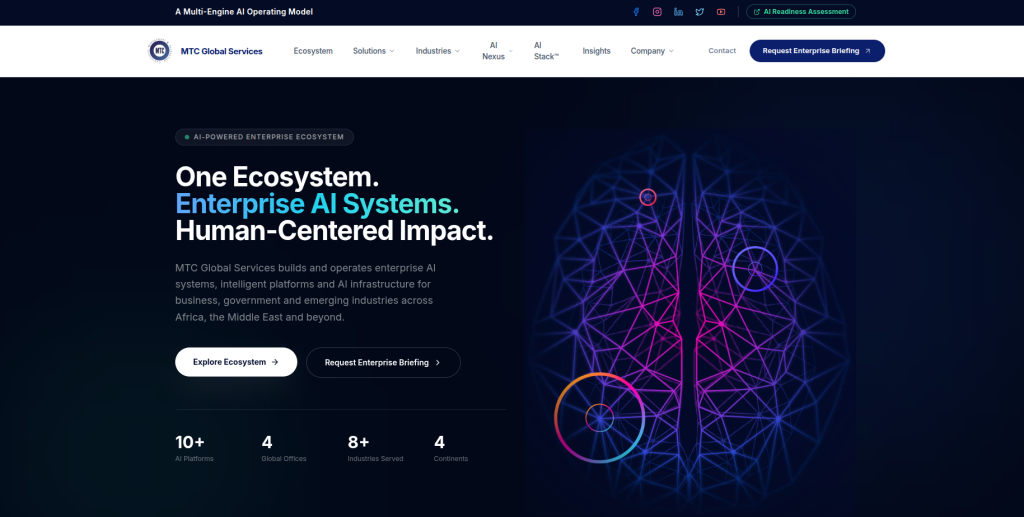 MTC Global Services is a digital technology and ecommerce development provider that can be considered for businesses evaluating ecommerce implementation and technical development options.
When migrating from VTEX to Shopify, businesses need to assess the source platform’s architecture, data structures, integrations, and custom commerce functionality before selecting a development partner.
A suitable provider should be able to plan how products, customer records, order information, pricing rules, and other business data will move into Shopify.
Businesses considering MTC Global Services should review its current Shopify migration capabilities, technical resources, integration experience, and approach to testing before making a decision.
Key areas to evaluate:
-
Ecommerce development
-
Shopify implementation
-
Custom software development
-
System integrations
-
Data migration
-
Technical consulting
-
Quality assurance
5. Crypto Developers
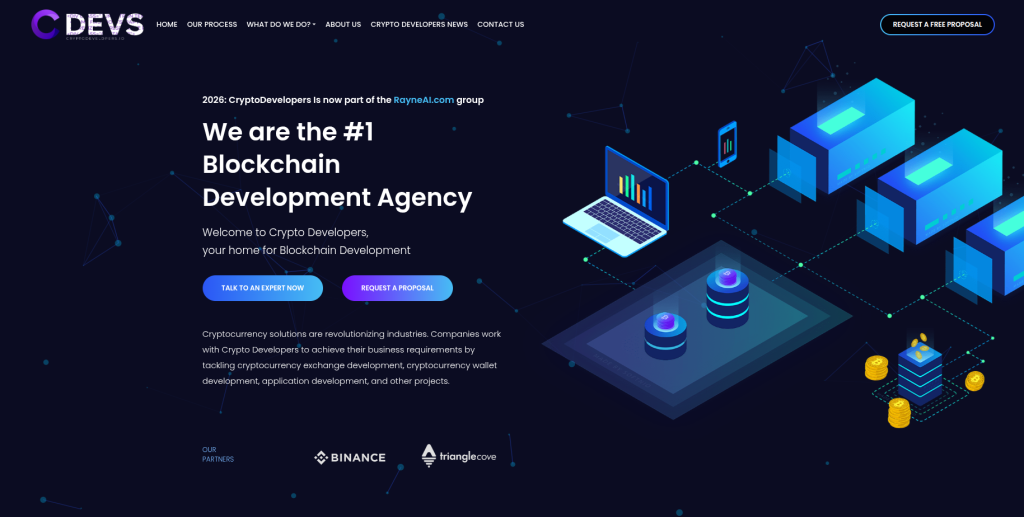 Crypto Developers is a technology development provider whose suitability should be assessed against the specific web development and integration requirements of an ecommerce project.
A VTEX to Shopify migration can involve custom APIs, external business systems, storefront functionality, and data synchronization. These components require careful technical planning, especially when the existing platform contains functionality that is not available directly in Shopify.
Businesses considering this provider should establish whether its current development services cover Shopify, ecommerce migration, and the integrations required by their store.
The key consideration is whether the team can support the complete migration rather than only individual development tasks.
Key areas to evaluate:
-
Web development
-
Custom software
-
API development
-
Shopify implementation
-
Ecommerce integrations
-
Data synchronization
-
Technical support
6. OmniPremier
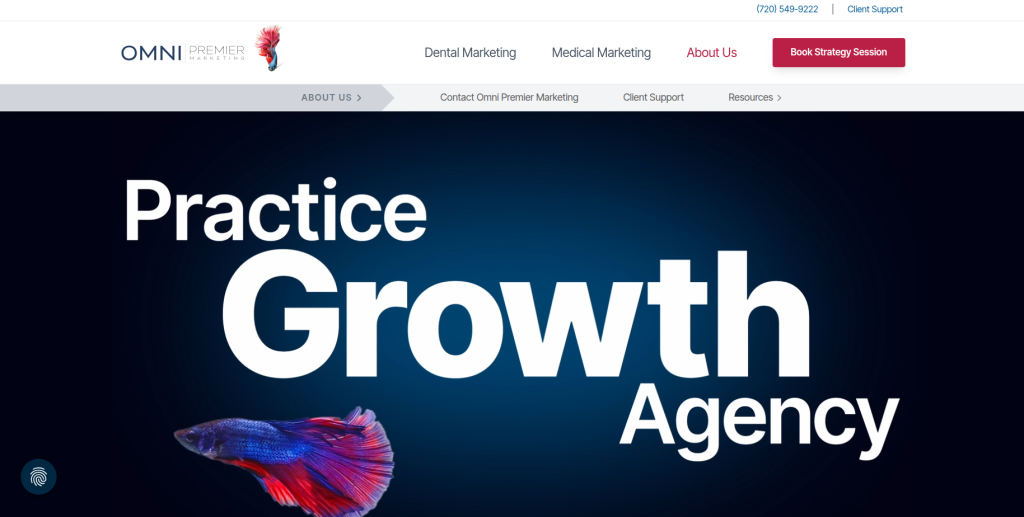 OmniPremier is a digital services provider that can be evaluated for website, ecommerce, and related technology requirements.
For a VTEX migration, businesses should begin by identifying the functionality that needs to be retained and determining how it will work within Shopify.
This can include product data, collections, pricing rules, customer accounts, order history, payment methods, shipping integrations, and business applications.
OmniPremier should be assessed against these specific requirements, particularly if the project includes a storefront redesign or custom technical implementation.
Key areas to evaluate:
-
Ecommerce development
-
Website development
-
Shopify capabilities
-
Custom integrations
-
Storefront implementation
-
Technical consulting
-
Post-launch support
7. Doddle Agency
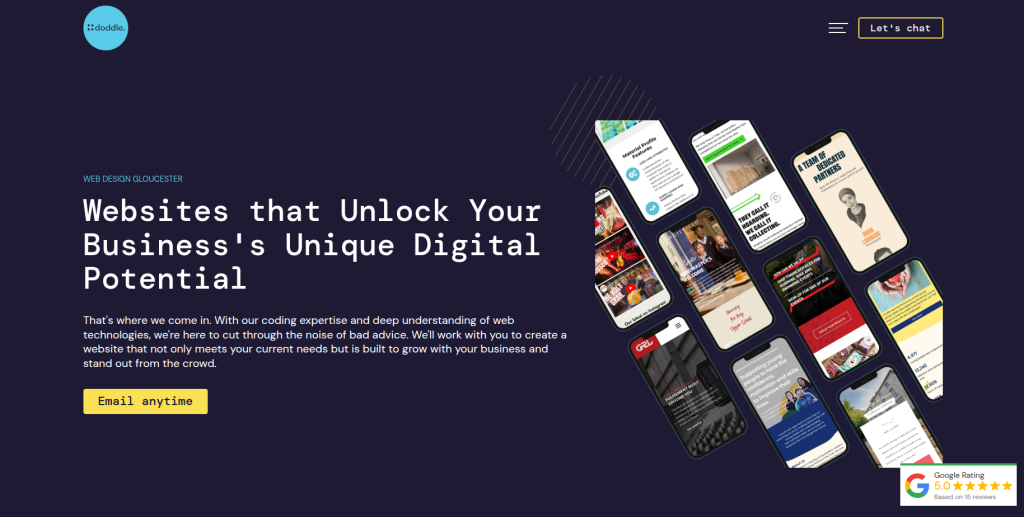 Doddle Agency is a digital agency offering ecommerce website development, user experience planning, performance analysis, and conversion-focused digital solutions.
Its ecommerce development offering emphasizes research, customer journeys, user experience, website performance, and creating online shopping experiences designed to support business growth.
These capabilities can be relevant when a VTEX migration includes a storefront redesign or an effort to improve the customer journey on Shopify.
A migration involving complex VTEX data and integrations will also require detailed technical planning. Businesses should establish how the company would handle data mapping, custom functionality, SEO, and third-party systems.
Key capabilities:
-
Ecommerce website development
-
User experience
-
Conversion optimization
-
Performance analysis
-
Customer journey planning
-
Website design
-
Ecommerce strategy
8. SEO Local Madrid
 SEO Local Madrid is a digital marketing and SEO provider that can be considered when evaluating search visibility and online marketing requirements around an ecommerce migration.
SEO is an important part of moving from VTEX to Shopify because changes to URLs, content structures, metadata, internal links, and indexation can affect organic traffic.
A business considering this provider should evaluate its technical SEO capabilities and determine whether it can support migration-specific tasks such as URL mapping, redirect planning, metadata review, crawl analysis, and post-launch monitoring.
For a complex migration, SEO work should be coordinated with the Shopify development team so that technical changes and search requirements are addressed together.
Key areas to evaluate:
-
SEO strategy
-
Technical SEO
-
Website audits
-
Keyword research
-
Organic visibility
-
Content optimization
-
Search performance monitoring
9. Digital Strada
 Digital Strada is a digital technology provider that can be assessed for web development, ecommerce, and digital transformation requirements.
A business moving from VTEX to Shopify may need help with more than the storefront. The project may also involve connecting external systems, rebuilding customer-facing functionality, and adjusting business processes to the new platform.
Digital Strada should be evaluated against the specific technical requirements of the migration, including Shopify implementation, custom integrations, catalogue mapping, and post-launch support.
A clear statement of work should establish which migration activities the provider will deliver and how the new store will be tested.
Key areas to evaluate:
-
Ecommerce development
-
Website development
-
Shopify implementation
-
Custom integrations
-
Digital solutions
-
Technical consulting
-
Store testing
10. SWRice
 SWRice is a WordPress development provider specializing in website customization, plugin development, WooCommerce, and ecommerce integrations.
Its published services focus on WordPress themes, plugin development, WooCommerce customization, payment gateways, and integrations with shipping, inventory, CRM, accounting, and marketing systems.
This technology background is more directly associated with WordPress and WooCommerce than Shopify. Businesses considering SWRice for a VTEX to Shopify migration should therefore establish whether its current capabilities cover the Shopify-specific development and migration work required.
Its integration-oriented experience may be worth evaluating where the project involves broader ecommerce system requirements, but the destination platform is an important consideration.
Key capabilities:
-
WordPress development
-
Plugin development
-
WooCommerce customization
-
Payment gateway integration
-
Shipping integrations
-
Inventory integrations
-
CRM and accounting integrations
-
Custom API integrations
How to Choose the Right VTEX To Shopify Migration Company
Selecting a migration company should begin with a detailed review of the existing VTEX store and its business requirements.
1. Assess VTEX and Shopify Experience
Ask the provider whether it has experience with:
-
VTEX commerce architecture
-
Shopify and Shopify Plus
-
Enterprise ecommerce migrations
-
Large product catalogues
-
Complex product relationships
-
Custom storefronts
-
Third-party integrations
Experience with the source platform is important because a migration team must understand what the existing store does before deciding how to recreate it.
2. Review Data Mapping and Migration
Ask how the provider will transfer:
-
Products and variants
-
Categories and collections
-
Customers
-
Orders
-
Product images
-
Reviews
-
Pricing information
-
Discounts
-
Inventory
-
Custom fields
The company should document the source-to-destination mapping and validate migrated records before launch.
3. Evaluate Complex Commerce Requirements
VTEX implementations can contain business rules that require careful analysis.
Review how the provider will handle:
-
B2B pricing
-
Customer-specific catalogues
-
Multiple markets
-
Promotions
-
Inventory synchronization
-
Product availability
-
Custom checkout requirements
-
Order management
-
ERP integrations
Some features may require Shopify apps, custom development, or changes to existing business processes.
4. Check Integration Capabilities
List every system connected to the current store and determine how each will work after migration.
Important integrations may include:
-
ERP
-
CRM
-
PIM
-
OMS
-
WMS
-
Payment gateways
-
Shipping providers
-
Marketing automation
-
Analytics
-
Customer support systems
The migration team should define how data will flow between Shopify and each external system.
5. Review SEO Migration Experience
The provider should explain how it will handle:
-
URL mapping
-
301 redirects
-
Metadata
-
Canonical URLs
-
Internal links
-
Structured data
-
XML sitemap
-
Search Console
-
Indexation monitoring
SEO preservation should be part of the project plan from the beginning.
6. Ask About Testing and Launch
Before launch, the new store should be tested across the entire shopping journey.
This includes product browsing, search, filtering, customer accounts, cart, checkout, payments, shipping, discounts, orders, integrations, and mobile usability.
For enterprise stores, businesses should also consider load testing, data reconciliation, access permissions, and integration failure scenarios.
7. Confirm Post-Migration Support
Ask whether the provider offers support for:
-
Technical issues
-
Integration problems
-
Performance optimization
-
SEO monitoring
-
Analytics verification
-
Shopify app configuration
-
Security and maintenance
-
New feature development
A migration should have a defined handover and support plan rather than ending immediately after deployment.
Benefits of Moving From VTEX to Shopify
Hosted Ecommerce Environment
Shopify provides a hosted commerce environment, reducing the need for businesses to manage the underlying ecommerce infrastructure themselves.
Centralized Store Administration
Products, orders, customers, discounts, themes, apps, and other store functions can be managed within Shopify’s administration environment.
App and Integration Ecosystem
Shopify supports apps and APIs that can connect the store with marketing platforms, customer service tools, inventory systems, and other business applications.
Storefront Customization
Businesses can use Shopify themes and custom development to create a storefront that reflects their brand and customer experience requirements.
Opportunity to Simplify Operations
The migration provides an opportunity to review existing processes, remove unnecessary complexity, and determine which systems and integrations are still needed.
Improved Customer Experience
A carefully planned Shopify implementation can improve product discovery, navigation, mobile usability, and checkout experiences.
These benefits depend on the requirements of the business and the way the new store is implemented. Features from VTEX should not be assumed to transfer automatically.
VTEX To Shopify Migration Checklist
Before Migration
-
Audit the existing VTEX store
-
Document the current architecture
-
Back up relevant data
-
Export product information
-
Review customer records
-
Review historical orders
-
Record existing URLs
-
Document pricing and promotion rules
-
Identify custom functionality
-
List all integrations
-
Record SEO information
-
Identify business-critical features
Migration Planning
-
Define the Shopify architecture
-
Map VTEX data to Shopify
-
Plan product and collection structures
-
Determine how pricing rules will work
-
Identify required Shopify apps
-
Identify custom development needs
-
Plan integrations
-
Create URL mapping
-
Prepare redirect rules
-
Define testing requirements
-
Establish the launch plan
Shopify Development
-
Configure the Shopify store
-
Select or develop the theme
-
Configure products and collections
-
Rebuild required storefront functionality
-
Configure payment methods
-
Configure shipping
-
Configure taxes
-
Set up customer accounts
-
Connect business systems
-
Implement required apps
-
Configure analytics
Data Migration
-
Transfer products
-
Transfer product images
-
Transfer variants
-
Recreate collections
-
Transfer customer records
-
Transfer order history where required
-
Transfer reviews where applicable
-
Recreate discounts and promotions
-
Validate pricing
-
Validate inventory
-
Check product relationships
-
Reconcile migrated records
SEO Migration
-
Crawl the existing VTEX website
-
Create an old-to-new URL map
-
Implement 301 redirects
-
Transfer metadata
-
Review canonical URLs
-
Check internal links
-
Review structured data
-
Verify the Shopify sitemap
-
Verify Google Search Console
-
Monitor indexing
-
Check for crawl errors
Testing
-
Test product pages
-
Test collections
-
Test product variants
-
Test search and filters
-
Test customer accounts
-
Test cart and checkout
-
Test payments
-
Test shipping
-
Test taxes
-
Test discounts
-
Test order processing
-
Test integrations
-
Test mobile layouts
-
Test redirects
-
Test analytics
-
Reconcile migrated data
Launch
-
Complete final data synchronization
-
Confirm integration readiness
-
Verify the production domain
-
Check SSL
-
Test important URLs
-
Verify redirects
-
Verify analytics
-
Verify Search Console
-
Check the sitemap
-
Monitor traffic and conversions
-
Review transaction processing
-
Monitor post-launch errors
Frequently Asked Questions
What is VTEX To Shopify Migration?
VTEX To Shopify Migration is the process of moving an ecommerce store from VTEX to Shopify while transferring the required product data, customers, orders, content, media, and other relevant store information.
Can VTEX products be migrated to Shopify?
Yes. Product information can be transferred, but the process depends on the existing VTEX catalogue structure. Product variants, attributes, custom fields, and relationships may need to be mapped to Shopify’s product model.
Can customer data and historical orders be transferred?
Customer records and historical orders may be transferred depending on the available source data, migration method, and Shopify requirements. The migration plan should define which records and fields need to be preserved.
What happens to VTEX custom features?
Each feature should be assessed individually. It may be recreated using Shopify’s native functionality, an app, custom development, or an external integration. Some features may require a change in business processes.
Will my URLs change after migrating to Shopify?
They may. Shopify uses its own URL structures, so old VTEX URLs should be mapped to the appropriate Shopify URLs. Redirects should be implemented for URLs that change.
Can I migrate my VTEX integrations to Shopify?
Some integrations may have Shopify apps or existing API options. Others may require custom development. Each integration should be reviewed to determine how data will be exchanged after migration.
Will VTEX To Shopify Migration affect SEO?
It can if URL changes, redirects, metadata, internal links, or indexation are handled incorrectly. A migration-specific SEO plan helps reduce the risk of losing organic visibility.
How long does a VTEX to Shopify migration take?
The timeline depends on the store’s size and complexity. Product volume, custom functionality, integrations, pricing rules, historical data, design requirements, and testing all influence the schedule.
Should I migrate to Shopify or Shopify Plus?
The appropriate option depends on the business’s requirements, including its operational complexity, required features, integration needs, and expected growth. The migration team should assess these needs before recommending a Shopify plan.
What should be tested before launch?
Businesses should test product pages, collections, search, filters, customer accounts, cart, checkout, payments, shipping, taxes, discounts, orders, integrations, redirects, mobile usability, and analytics.
Conclusion
A VTEX To Shopify Migration gives businesses an opportunity to move their ecommerce operations to Shopify while reviewing their storefront, integrations, business processes, and customer experience.
The project should not be treated as a simple product import. A complete migration needs to account for products, customers, orders, pricing rules, promotions, inventory, content, integrations, URLs, redirects, SEO, checkout, testing, and launch support.
Among the companies reviewed, CartUnited and EbizON are the most directly relevant starting points for this migration topic, with both offering dedicated VTEX-to-Shopify migration services. CartUnited’s broader migration offering focuses on ecommerce data, content, SEO, redirects, integrations, and testing. EbizON provides broader Shopify migration and development capabilities covering content, media, SEO, custom development, and integrations.
The other companies offer different combinations of ecommerce development, digital marketing, software development, integrations, and technical services. Their suitability will depend on the complexity of the VTEX store and the specific migration work required.
The right migration partner should provide a clear plan for data mapping, feature assessment, Shopify development, integration replacement, SEO preservation, testing, launch, and post-migration support. Careful planning helps businesses protect important ecommerce information and create a more manageable foundation for future growth.